| |
|
Scroll
down to browse through some Swimming Pool and Spa Safety
Information and Suggestions. Please click the Pool
or Spa Problems Link, on top of every page, to access a complete
listing of Pool Problem subjects, an alphabetized
Website Table of Contents, Pool Equipment Information,
About Alan Biographic Material and a Pool Glossary. Use
the other links to access additional subject
information. More information about some new and unique
products, for pools and spas, can be found by visiting
The Website Store.
You'll never know what you'll find and that's always
fun. Be better prepared and avoid costly problems!
|
|
 |
Shipping is FREE* . . . within
the Continental U.S.
A $9.99
handling charge will apply
to Continental U.S. Orders,
under $75.00. Orders
outside of the Continental
U.S. may require some
additional charge, based on
quantity and destination.
Most products can be
shipped World-Wide. International
and orders outside of
Continental U.S. - see
comments on the ordering
pages. |
|
 |

Major
Credit Cards and PayPal are accepted. |
|
On-line
shopping since 2002 - Safe and Secure!!! |
|
Optimizing the chemistry and improving water safety
and quality!!! |
|
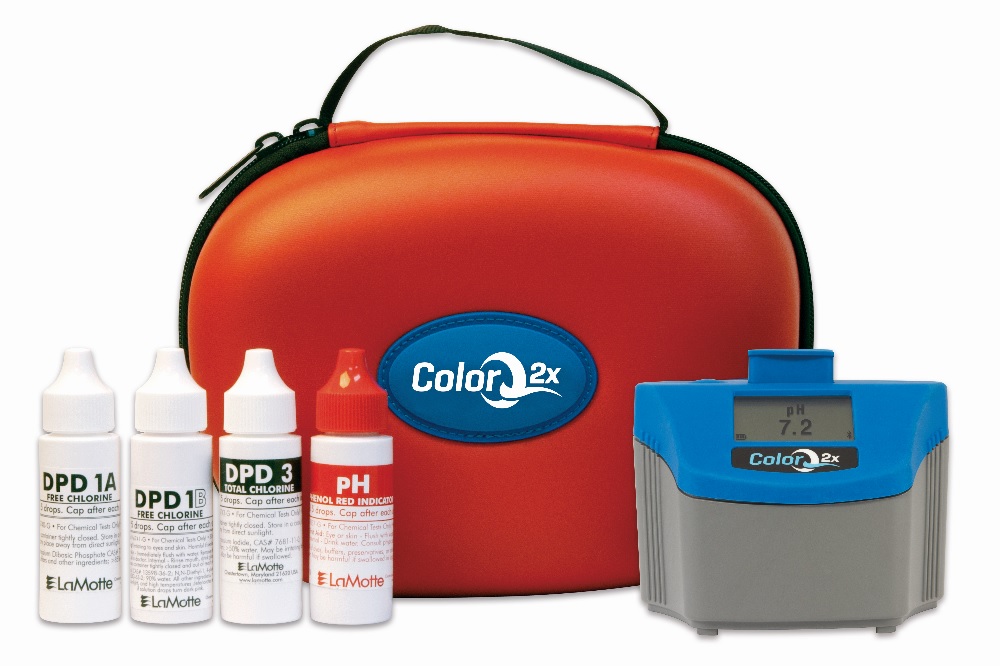
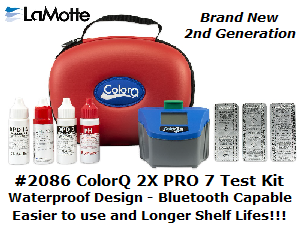
A
ColorQ, All-Digital Tester can
perform all of the common pool and spa
water tests and eliminates the
color-matching and guesswork.
Reliable water testing will help get the
pool or spa swimmer-ready and help
assure that sanitary conditions are
being maintained.
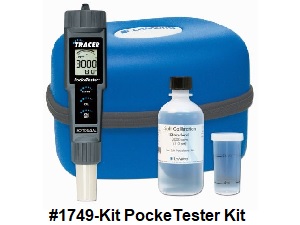
A
PockeTester Kit
is a convenient way to monitor the salt
level, to help assure proper performance
of salt chlorine generators. The
Precision UV model is an
Ultraviolet Sterilizer,
for all types of pools, up to
40,000 gallons. Kills
microbes that normal levels of chlorine
may not. Even better when used
together. |
|
|
If you have a pool or spa water testing
need, we should have the product.
►
Scroll down to read through some Aquatic
Safety information.
◄
|
|
Alternative Pool and Spa Water Sanitizers |
|
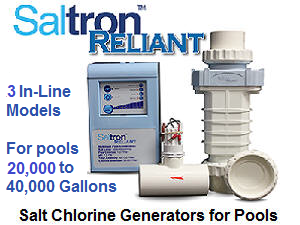
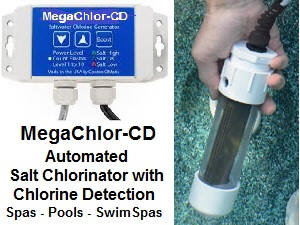
Most pools
or spas use some sort of chlorine. A
salt
chlorine generator is definitely a
better way to do chlorine, in any type
of pool. Salt chlorine generators are
highly automated and give you better
control. The salt level is about
that found in human tears. No
installation
salt chlorine generators are
available, for spas and swim spas, that are plug and play
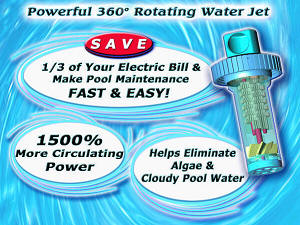
ready. The Circulator
is a replacement return jet fitting,
that dramatically improves circulation,
by creating a spiral return flow.
Better circulation helps sanitizers work
more effectively. |
|
|
If you have a pool or spa water testing
need, we should have the product.
►
Scroll down to read through some Aquatic
Safety information.
◄
|
|
Pool and Spa Safety!!! |
 |
Join our E-Letter Mailing List.
You'll receive 1-3 E-Letters a
month, featuring helpful pool
and spa advice, new product
information and sale
announcements. All we
require is your e-mail address
and you can opt out anytime you
wish.
Your information
will never be shared or sold. |
| |
Important Reading!!!
Always Observe Safe
Chemical Handling Practices!!! |
|
| |
The Do's of Pool & Spa Chemical Safety |
|
-
Always read
the instruction labels.
-
Always add
each pool or spa chemical separately to the
water.
-
Always store
chemicals in a cool, dry and well ventilated
place, protected from children.
-
Always keep
the chemical containers sealed and protected
from contamination.
-
Always use
protective gear, as might be indicated on
the label.
-
Always
maintain good housekeeping practices.
-
Always keep
spilled materials isolated.
-
Always follow
label directions for cleanup and disposal.
-
Always use up
all of the chemical before disposing of the
container.
-
Always use
common sense!!!
|
| |
The Don'ts of Pool & Spa Chemical Safety |
|
-
Never mix
different chemicals together.
-
Never store
liquid chemicals above other chemicals.
-
Never place
spilled chemicals back in the original
containers.
-
Never use
floor sweeping compounds to clean up pool or
spa chemicals.
-
Never allow
chemicals to contact grease, acid, oil, or
organic materials.
-
Never dispose
of unused chemicals by placing in the trash
or sewer.
-
Never fail to
read the label for disposal instructions.
-
Never dispose
of an empty chemical container without
rinsing clean.
-
Never fail to
use common sense!!!
|
| |
 |
|
| |
LAAPS: tips for healthy swimming!!!
LAAPS Information provided by the US CDC (Center
for Disease Control) |
|
| |
Look . . . at the pool/spa
and surroundings, what should you notice? |
|
| |
-
Clean and
clear water, you should be able to clearly
see and painted stripes and the bottom of
the pool or spa.
-
Smooth pool or
spa sides; tiles should not be sticky or
slippery.
-
No odor, a
well-chlorinated pool or spa has little
odor. A strong chemical smell indicates a
maintenance problem.
-
Equipment
working: pool and spa pumps and filtration
systems make noise and you should hear them
running.
|
|
| |
Ask . . . questions of the
pool/spa staff. |
|
| |
-
What
specialized training did the staff take to
prepare for working at or operating the pool
or spa?
-
Are chlorine
(sanitizer) and pH levels checked at least
twice per day?
-
Are these
levels checked during times when the most is
most heavily used?
-
Are trained
operation staff available during the
weekends when the pool or spa is most
heavily used?
-
What was the
health inspector's grade for the pool after
its last inspection?
|
|
| |
Act . . . by being
proactive and educating others. |
|
| |
- Learn
about recreational water illnesses (RWI) and
educate other users and your pool or spa
operator.
- Urge your
pool or spa management to spread the word
about RWIs to the staff and users.
- Let your
pool or spa operator know that the health
and well being of all swimmers is a priority
for you.
- Check the
pool or spa water yourself for adequate free
chlorine (1-3 parts per million) and pH
(7.2-7.8) levels.
- Pool and
spa chlorine test strips are available at
local home improvement stores, discount
retailers and pool supply stores. If you
want to practice using them at home, click
below for instructions:
www.cdc.gov/healthywater/swimming/protection/pool-spa-test-strip-instructions.html
|
|
| |
Practice . . . healthy
swimming behaviors. |
|
| |
- Refrain
from swimming when you have diarrhea.
- Avoid
swallowing pool or spa water or even getting
it into your mouth.
- Shower
before swimming and wash your hands after
using the toilet or changing diapers.
- Take
children on bathroom breaks or check diapers
often.
- Change
diapers in a bathroom and not at poolside
and thoroughly clean the diaper changing
area.
|
|
| |
Safety . . . is always
important. |
|
| |
- Keep an
eye on children at all times, kids can drown
in seconds and in silence.
- Don't use
air-filled swimming aids (such as "water
wings") with children in place of life
jackets or life preservers.
- Outdoor
locations: protect against sunburn by using
a sunscreen with at least SPF 15 and both a
UVA and UVB protection, and use sure to
reapply it after swimming.
|
|
|
Visit The Website Stores . . . for
better informed shopping!!! |
|
|
Shipping is FREE* . . . within
the Continental U.S.
A $9.99
handling charge will apply
to Continental U.S. Orders,
under $75.00. Orders
outside of the Continental
U.S. may require some
additional charge, based on
quantity and destination.
Most products can be
shipped World-Wide. International
and orders outside of
Continental U.S. - see
comments on the ordering
pages. |
|
|
Major
Credit Cards and PayPal are accepted. |
|
▲
Return To Top Of Page
▲
Aqualab Systems, LLC does not
make any warranty or
representation, either expressed
or implied, regarding the
accuracy or completeness of the
information provided by this
website; nor does Aqualab
Systems., LLC. assume any
liability of any kind whatsoever
related to, or resulting from,
any use or reliance on this
information. The content of this
website should not be used, if
it is conflict with any
applicable federal, state or
local regulations or guidelines.
© Aqualab Systems, LLC. All
rights reserved
|
|