| |
|
Scroll
down to browse through some archived SWIMMING POOL
questions and answers. Please click the Problems Link, on top of every page, to access a complete
listing of Pool Problem subjects, an alphabetized
Website Table of Contents, Pool Equipment Information,
About Alan Biographic Material and a Pool Glossary. Use
the other links to access additional subject
information. More information about some new and unique
products, for pools and spas, can be found by visiting
The Website Store.
You'll never know what you'll find and that's always
fun. Be better prepared and avoid costly problems!
|
|
 |
Shipping is FREE* . . . within
the Continental U.S.
A $9.99
handling charge will apply
to Continental U.S. Orders,
under $75.00. Orders
outside of the Continental
U.S. may require some
additional charge, based on
quantity and destination.
Most products can be
shipped World-Wide. International
and orders outside of
Continental U.S. - see
comments on the ordering
pages. |
|
 |

Major
Credit Cards and PayPal are accepted. |
|
On-line
shopping since 2002 - Safe and Secure!!! |
|
Caring for fiberglass inground pools. |
|
A pool
requires proper care, in order to
preserve its appearance and extend its
life. Water testing helps avoid
conditions that might damage the pool
equipment or make sanitizing less
effective.
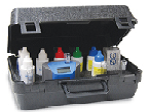
A
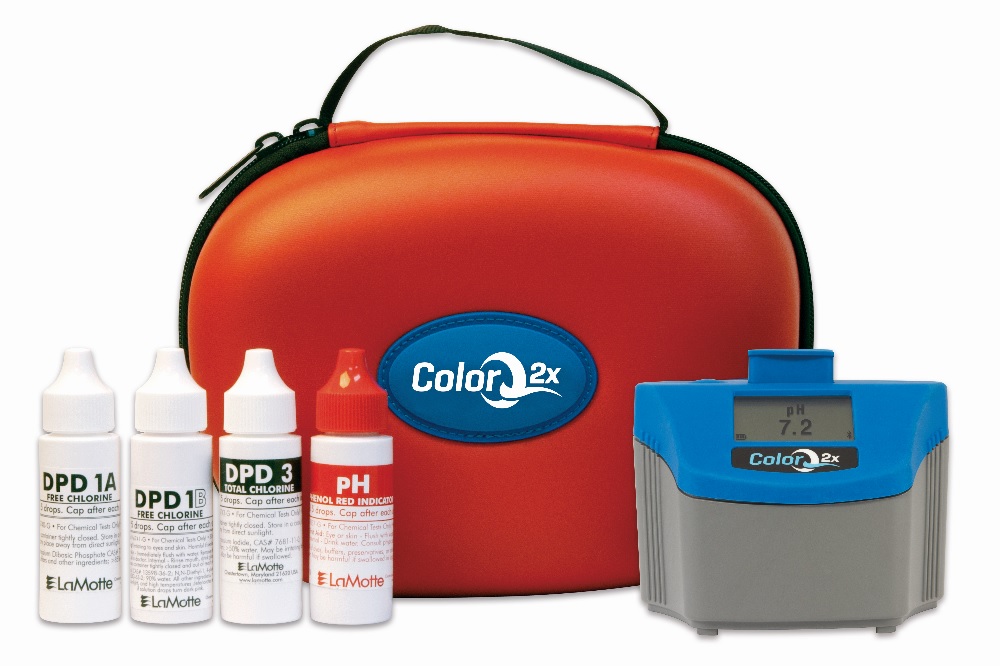
ColorQ 2X is a 2nd generation,
Bluetooth, Waterproof, all-digital tester,
that can
measure all the common test factors. There is a model, for every sanitizing
need.
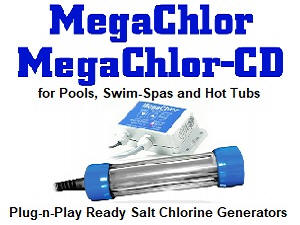
The
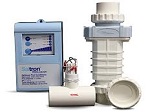
MegaChlor Salt Chlorine Generators
are ideal for many pools and require no
installation. Plug-n-Play ready.
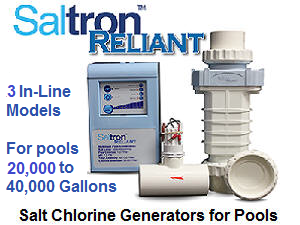
Salt chlorine generators are a
better way to do chlorine, providing
more control and helping to avoid algae
and sanitation problems. |
|
ColorQ All-Digital Water Testers |
Swim-Spa and Pool Salt Chlorinator |
Salt Chlorine Generators |
 |
 |
 |
|
Product and Ordering Information |
Product and Ordering Information |
Product and Ordering Information |
If you have a pool or spa water
testing need, we should have the
product.
►
Scroll down to read through some
Question & Answer information.
◄
|
|
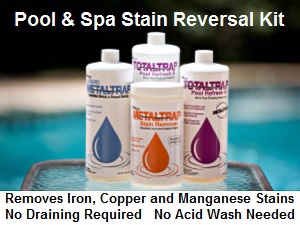
Stains can
be removed with a
MetalTrap Stain
Reversal Kit and heavy metals
can be eliminated, at the source, with a
MetalTrap
Filter. Add a drop-in,
Premium Pool
Graphic Mosaic Mat your pool
will take on a great new look. Get
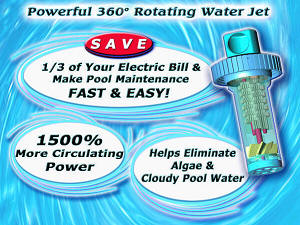
better circulation, by replacing
standard return jet fittings, with
The
Circulator. Better
circulation helps everything
work better. |
|
Stain Reversal Kit, for Pools
and Spas |
Premium Graphic Mosaic Pool Mats |
Circulation Boosting Return Jet
Fittings |
 |
 |
 |
|
Product
and Ordering Information |
Product and Ordering Information |
Product and Ordering Information |
If you have a pool or spa water
testing need, we should have the
product.
►
Scroll down to read through some
Question & Answer information.
◄
|
|
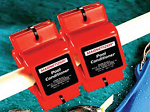
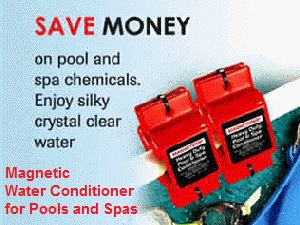
Magnetic Water Conditioners
help solve scaling problems, due
to high levels of calcium
hardness and are available in 4
models.
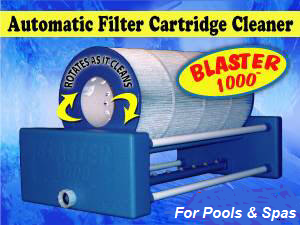
An
Automatic Filter Cartridge Cleaner
will make cleaning easier and
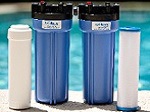
faster. The
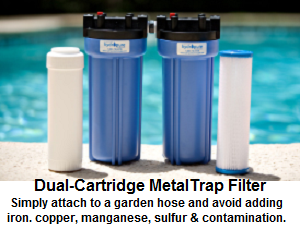
Dual-Cartridge MetalTrap Filters
attach to the garden hose, used
to add new water. It can
remove sediments, iron, copper
and manganese and can help avoid
problems, when new water is
added. |
|
Magnetic Water Conditioners |
Automatic Filter Cartridge
Cleaners |
Dual-Cartridge MetalTrap Filters |
 |
 |
 |
|
Product and Ordering Information |
Product and Ordering Information |
Product and Ordering Information |
|
If you have a pool or spa water testing
need, we should have the product.
►
Scroll down to read through some
Question & Answer information.
◄
|
|
How to
maintain and care for an inground pool? |
Most
inground pools
are available in an endless variety of shapes,
sizes, depths and configurations. Included are
commercial and residential, outdoor and indoor,
community and private and big and small. The
pools can be constructed from a variety of
materials such as: steel, aluminum, concrete,
plastic, wood, cement blocks and fiberglass. The
walls can be covered with masonry finishes,
tiles, vinyl, fiberglass, paint and other
coatings. Some types of pools are better suited
for certain uses and/or locations. Inground
pools can be accessorized with a full range of
convenience features. Different types of pools
can encounter or require varying maintenance
requirements. For your sanitizing needs,
for can consider a
salt
chlorine generator or
Ultraviolet Sterilizer. If problems arise, refer to the
Pool Problems
Page, as a source of problem-solving
information, broken down into various
categories. Scroll down the page and click on the linked
keywords,
catch phrases
or images, in the archived answers below, to access additional information, on that topic or product.
Do you know what's in your
water? Optimizing the water chemistry helps
maintain proper swimming conditions and
allows sanitizers, to work more
effectively, If you would like to
avoid problems, with stains and
discoloration, due to the presence of metals, you should be
testing for iron, copper and, possibly, manganese. Understanding,
if the potential for a problem exists,
allows for appropriate, preventative
treatment to be taken. This helps select
the best treatment option, to avoid stains and discoloration. For
information about our full selection of testing options,
visit our Test
Equipment Store. For information about
discoloration and stain treatment
options, visit our Stain Treatments
Store. Understanding the nature
of the problem, should be step one.
 |
Join our E-Letter Mailing List.
You'll receive 1-3 E-Letters a
month, featuring helpful pool
and spa advice, new product
information and sale
announcements. All we
require is your e-mail address
and you can opt out anytime you
wish.
Your information
will never be shared or sold. |
|
▼
Helpful,
Problem-Solving Information, in a question and
answer format.
▼ |
► Something Not
Boring?
My wife and I are planning to have a
vinyl inground pool built next spring. We have a large
backyard with some natural features that we would like to
incorporate into the overall design. Most vinyl inground
pools seem to be rectangular and boring. I know that a
rectangular shape is more efficient and probably costs less,
but it is not what will make us happy. Is it possible to get
creative with a vinyl liner inground pool? We have the time
to check things out and we want to get it right. Thanks for
the time taken.
Gary & Kay, 9/2/2020
Today you can get a vinyl lined, inground pool in an endless
variety of shapes and sizes. You don't have to settle for
straight lines! Computers have made a big difference in the
construction and design of both the pool and the vinyl
liner. Dealing with experienced and reliable companies is
the key to your project. Good luck with the pool and I hope
that I have been helpful.
Sincerely. Alan Schuster, 9/2/2020
►
Questioning The Pool Capacity?
We recently
moved into a new house, that has an inground pool. I
have owned a house with an inground pool, before, and I
don't think that I was provided with the correct pool gallon
size. I would like to verify the gallons, to help
maintain the proper water balance. Is there an easy
way to do the calculations? Thank you.
Ken K.,
Boynton Beach, FL, 4/12/2015
All you
need is the dimensional information. You will find the
necessary calculations, for all shapes and sizes, on this
website page: Calculating Pool Volume. It does
help to get a reasonable accurate idea of a pool's capacity.
Enjoy the pool.
Sincerely.
Alan Schuster, 4/13/2015
|
A Great Decorative Option |
|
 |
|
Use a Premium Pool Art Graphics Mat
to decorate your pool floor.
The image appears to be
tiled on your pool floor,
but that's just an illusion.
Actually, you simply set one
of these colorful graphics
on the water and push it to
the bottom, with a pool
brush. Its weight keeps it
there. Choose from 9
attractive designs, plus a
custom monogram model.
Most are available in 3
sizes: 47" diameter,
23" diameter or 10.5"
diameter. No adhesives needed
and installation is just
that simple. To remove or
place elsewhere, just lift
it off. |
|
Click
Here For Product and
Ordering Information |
► The Right
Questions?
I have decided to have a pool
installed in the spring. We have decided on a gunite pool.
Our space is limited, so it will be a basic 14 x 28 pool.
What should we look for from the contractor, other than
choosing the finish, color and equipment, in terms of
references and the like.
Bob H., 2/12/2013
Reference checking goes without saying, as does looking at
some completed jobs. Ask how long he has been in business
under the same name. Has he used other business names? Is he
insured, licensed and bonded? Get the warranties spelled out
in plain language. Will he provide complete start up
instructions and service after completion? Will he clean up
the job site? Will he be responsible for any damage to a
neighbor's property? How will damage to your sprinkler
system be handled? Who is responsible for applying for and
obtaining permits? Good luck with the project and enjoy the
pool.
Sincerely. Alan Schuster, 2/12/2013
► Gunite or
Vinyl?
We are undecided about getting a
gunite pool or a vinyl pool? I know that the gunite pool
will cost more, but what about the maintenance and the life
expectancy of the pool. We live in Virginia, if that helps.
John N., Virginia, 3/23/2016
Generally speaking the chemistry of a vinyl inground pool is
easier to maintain than that of an inground gunite pool.
Both types can be constructed in a variety of shapes and
sizes. Both can be equipped with similar filters, pool
vacuums, heaters, covers, equipment, accessories and
features. Eventually the vinyl liner will have to be
replaced. Some pool finishes, such as exposed aggregate, can
create unique looking finishes that are long lasting and
less prone to chemical interaction. Both types can last for
decades with reasonable care. Today's vinyl liners look
infinitely better than the liners that were used in years
past and rival a gunite pool in appearance. What about a
fiberglass pool? Fiberglass pools are beautiful,
easier to care for than gunite and priced between vinyl and
gunite, The choice is yours. Enjoy the pool!
Sincerely. Alan Schuster, 3/23/2016
► Automating
The Pool?
Browsing through the website, I became
intrigued by pool automation. I would like to maintain the
pool myself, but I don't always have the time to spend on
things. The pool is 20,000 gallons, inground with a plaster
finish. What can pool automation do for me? Thanks for the
input.
Arnold B., 4/3/2018
A lot! Pool automation can turn your filter on and off. A
Salt Chlorine Generator can be made to turn on and off with
the automated filter cycle. This equipment will produce
chlorine right in the pool, with a one time addition of salt
to the pool. A dial will allow you to increase or decrease
the amount of chlorine being produced. The heating of the
pool can be activated with the automated filter cycle and
controlled to the desired temperature. The cleaning of the
pool can be accomplished with a controllable
robotic pool
vacuum or an in-the-floor cleaning system. There are
automatic pool covers,
automatic pool lighting and pool security.
Pool automation can eliminate much of the daily work
required for sanitizing, maintenance, heating and cleaning.
I hope that I've kept you intrigued. Good luck.
Sincerely. Alan Schuster, 4/3/2018
► Draining An
Inground Pool?
I need instructions on how to drain an
in ground pool. ASAP! Thanks!
Marky, 5/10/2006
I'm glad that you took the time to write. There is no way
that I can tell you how to drain the pool. You provided no
details. Depending upon the type of pool - gunite or vinyl -
the procedures could be quite different. I suggest that you
direct the question to the builder or someone very familiar
with your type of pool. Remember this! Vinyl liners can
shrink and the walls are held in place by the water, as well
as the construction. A pool should be emptied only as a last
resort. Good luck.
Sincerely. Alan Schuster, 5/10/2006
► Well Water
Caused Staining And Discoloration?
We had a 18' x 36' vinyl inground pool
installed. We had the water tested and had a list of
chemicals to add. I probably should have told the store that
I used well water, but I did not realize it was that
important. Now I know better. The water turned into a tea
colored solution, after I added some pH booster and
chlorine. There may be some brown stains, the deep end. What
should I do to make this right.
Mike K., 6/5/2009
It seems apparent that the water contained iron and other
metals. Dealers don't always run these tests and metals
don't always show up. Pools that turn amber to rusty, brown
or blackish, after addition of chlorine or pH raising
chemicals, usually have iron and other heavy metals present.
This is especially true, when well water is used. If you had
filtered the well water,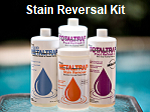 used to fill the pool, through a
METALTRAP Filter, the heavy
metals would have been permanently removed. When the pool
needed to be topped off, all the new well water could have
been passed through the METALTRAP Filter, to prevent new
additions of metals. Removing metals, as the pool fills is
the best insurance against future problems. There are
chemicals means to treat metal problems and/or remove the
stains they cause. Not all of these chemicals are equally
effective, some are ineffective at higher pH levels and
others contain phosphates, which can lead to other problems.
I suggest using the MetalTrap Stain
Reversal Kit. It will help remove the stains,
allow you to filter and vacuuming the metals out of the pool
and help prevent a recurrence, after chlorine is added.
The kit contains everything needed and is phosphate free.
Once completed, using a METALTRAP Filter, which attaches to
the garden hose used to add new water, you can avoid adding
more heavy metals, each time the pool is topped off. Good luck and I hope that I've been
helpful. used to fill the pool, through a
METALTRAP Filter, the heavy
metals would have been permanently removed. When the pool
needed to be topped off, all the new well water could have
been passed through the METALTRAP Filter, to prevent new
additions of metals. Removing metals, as the pool fills is
the best insurance against future problems. There are
chemicals means to treat metal problems and/or remove the
stains they cause. Not all of these chemicals are equally
effective, some are ineffective at higher pH levels and
others contain phosphates, which can lead to other problems.
I suggest using the MetalTrap Stain
Reversal Kit. It will help remove the stains,
allow you to filter and vacuuming the metals out of the pool
and help prevent a recurrence, after chlorine is added.
The kit contains everything needed and is phosphate free.
Once completed, using a METALTRAP Filter, which attaches to
the garden hose used to add new water, you can avoid adding
more heavy metals, each time the pool is topped off. Good luck and I hope that I've been
helpful.
Sincerely. Alan Schuster, 6/5/2009
► Need To
Periodically Drain A Pool?
I live
in Scottsdale Arizona and I have a diving pool. I have lived
here for 9 years. My pool service is telling me that I need
to empty the pool to restore the chemical balance and
address issues cause by hardening of the water. It seems
like a big task and I want to check it is really necessary
before proceeding. Under what circumstances is this
required? Thanks for your help.
Margaret D., Scottsdale, AZ 1/31/2013
In the sunbelt, and when dealing with pools that are not
winterized, the dissolved salt content (TDS) will constantly
creep up. In the north, pools are winterized and this
replaces about 1/4 of the water every year. This eliminates
the buildup or, at least, reduces it greatly. If you are
using a stabilized chlorine, the cyanuric acid level will
build up. The only way to lower it is to replace water. You
certainly want the cyanuric acid level under 100-150 PPM. If
that is being done, no other water replacement should be
necessary. TDS can be tested, using a simple
TDS
PockeTester. If you are using liquid chlorine or a
salt
chlorine generator, as two examples, there will be a build
up certain salts, over time, increasing the total dissolved
solids (TDS). High TDS can lead to clarity, sanitizer
ineffectiveness or scaling issues. It would not be
unreasonable to replace the water every five years or do a
partial replacement, starting after 3 or 4 years: sooner, if
there is evidence of high TDS or clarity, high hardness or
scaling problems. The TDS spike, contributed by the salt
used with salt chlorine generators, will result in a higher
TDS, but the problems involve the build up of salts, other
than sodium chloride. Comparing the TDS of your tap water
with that of the pool, will provide and indicator of how
much the dissolved salts have increased. If you have a salt
chlorine generator, deduct the PPM of salt, that is being
maintained. Draining an inground gunite pool can involve the
risk of the pool popping out of the ground. However, this is
only a problem in high water table situation. In your case,
I doubt there is a problem. Basically, this is your call,
especially, if the water seems clear and problem free. I hope
that this information proves helpful.
Sincerely. Alan Schuster, 1/31/2013
► Filter
Placement?
We have an 18 x 36 inground pool and
we built a retaining wall all along the back side. We would
like to know if we can put the filter on the back side so it
is out of sight. But, the filter would be 4 feet below the
top of the pool. Thank you.
Kim, 5/16/2006
Filters are sometimes placed below grade. Just understand
that a leak can cause water to drain out of the pool and not
just the lines or filter. It is done, especially when there
is no other option. The longer the filter run, the less
effective will be the pool pump. I hope that I have been
helpful. Enjoy the pool.
Sincerely. Alan Schuster, 5/16/2006
► Trying To
Decide About A House With A Pool?
Hello there! I am in the debating
process of purchasing a great home. BUT, it has an inground
pool. I have 3 kids (ages 14, 5 & 4) and, of course, they
would love a pool! The thought of it being like on vacation
in our own back yard seems wonderful, however, I am
concerned about what I may be getting myself into. I've
never had a pool so I have no clue as to whether it is an
expensive luxury? Huge liability? Where would I start to
learn all the basics about maintaining an inground pool? Or
should I steer clear of pools? Piz, plz advise ASAP. Many
thanks in advance for your time. Sincerely.
A Concerned Mom, Dee, 4/28/2020
Most likely all those horrors, you're think of, were about
people that neglected the pool or thought that because it
wasn't being used, chemicals weren't needed. Hopefully,
you'll be like the millions that take care of the pool and
have lots of pleasure. It is easier than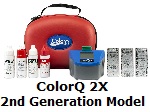 ever! There are
salt chlorine generating systems that make the chlorine
right in the pool: no chlorine to store or handle. There are
Pool Cleaners
that make short work of keeping the
bottom and walls clean. There are
pool safety covers that
automatically cover the pool at the press of a button,
provide safety, help keep the water warm and cover the pool
for the winter. Testing the pool water can be as simple as
dipping in a test strip or an
all-digital ColorQ
2X Water
Analyzer. If you're concerned about safety, there are
pool
alarms, yard alarms and gate alarms. Local pool dealers can
test the pool water and get you off on the right track. The
cost of electricity and chemicals needs to be considered,
but it is modest compared to the return. I say go for it! If
you run into a problem, I'll be here. Best of luck with your
decision. ever! There are
salt chlorine generating systems that make the chlorine
right in the pool: no chlorine to store or handle. There are
Pool Cleaners
that make short work of keeping the
bottom and walls clean. There are
pool safety covers that
automatically cover the pool at the press of a button,
provide safety, help keep the water warm and cover the pool
for the winter. Testing the pool water can be as simple as
dipping in a test strip or an
all-digital ColorQ
2X Water
Analyzer. If you're concerned about safety, there are
pool
alarms, yard alarms and gate alarms. Local pool dealers can
test the pool water and get you off on the right track. The
cost of electricity and chemicals needs to be considered,
but it is modest compared to the return. I say go for it! If
you run into a problem, I'll be here. Best of luck with your
decision.
Sincerely. Alan Schuster, 4/28/2020
► Found The
Leak?
I was losing about an inch of water
daily and was convinced that I had a leak. The pool is a 18
x 36 vinyl inground that is about 3 years old. After
checking all the fitting, I decided to try a dye solution
and see if that could help locate the leak. To my great
surprise, I located the leak. It was in the shallow end
about 2 feet in front of the steps. I assumed that someone
stepped on a sharp pointed pebble or something. I have
several questions. Can I use a piece of the original vinyl,
which I have, as a patch. Is there anyway to do this without
draining the shallow end, as I don't want to risk damage to
the pool or liner. I appreciate the opportunity to ask these
questions.
Bill M., Freehold, NJ, 7/24/2004
Yes, you can use the original liner material as a patch.
Lucky, that you have a piece.
Boxer Adhesives
manufactures a complete line of vinyl plastic repair
products and adhesives that can even be used underwater.
Just use it as directed and make sure that you trim the
corners off the patch, in order to help prevent them from
lifting. Locating
the source of the leak was the hard part. The repair will be
the easy part. Good luck and enjoy the season.
Sincerely. Alan Schuster, 7/24/2004
► Number Of
Returns?
My question is how may returns should a 20' x 40' (Roman
both ends, 8' Roman Dual Seat stairs on side) have? We are
in the process of purchasing the pool and we wanted jets in
the stairs too. What are the pros and cons? I have heard
that the jets can leak, is this true? Most pools come with 2
jets if I am not mistaken, but is there a complication once
3 or more jets are added (like installed in the 8' Roman
Dual Chair stairs) Any advice would be appreciated! Thanks.
Laurie, 10/31/2010
Most popularly-sized, inground pools come with two returns. It is mainly a
matter of economics, as more returns will add to the cost.
Obviously, the more lines and connections that are added,
the greater the possibility of a problem. Workmanship
matters. However, adding a
pair of additional returns is not something that should
present construction quality issues, if done properly. Lots
of pools are built this way. Enjoy the pool.
Sincerely. Alan Schuster, 11/1/2010
► Steel Or
Plastic?
I am so confused about which type of
vinyl-lined pool to purchase. We've narrowed it down to 2
companies. We can't decide between a steel-framed pool or
thermoplastic one. Are there pros and cons to both? We are
so confused. The thermoplastic pool I more expensive. What
do you think?
Julie K., 1/14/2009
Both pools can last a long time. Steel walls can be
adversely affected by poor drainage and corrosive soil
conditions. I have no way of knowing if this presents a
potential area of concern. It is something to discuss with
the builder. Plastic wall construction can be very long
lasting and is resistant to corrosion. Both offer
flexibility of size and shape. The plastic walled pool is
probably better insulated for heat retention. That brings us
back to cost! Just as important is the reliability of the
builder. Check references! Ultimately it is your decision.
It might help shed some light and help with the decision.
Good luck.
Sincerely. Alan Schuster, 1/15/2009
► Scrubbed
The Liner Too Much?
A roofing nail somehow ended up in my
pool, while a new single roof was being installed. I didn't
notice it for at least a few days, because the pool was not
being used. I add some metal remover and it did not remove
the stain. So I tried to use a scrubbing pad to remove the
stain and ended up scrubbing off some of the liner print. Is
there any product that can be used to add some color back?
Thank you.
Jeff N., Beaufort, SC, 3/26/2010

There is nothing that will colorize
the area, that I know of. However,
you should be able to cover it over
with a
Premium Pool Graphic Mosaic Mat, that
requires no installation. They are available in various
sizes and designs. For example you could use a Dolphin or
Turtle design and it would look like it was part of the
pool. In the future, if you get a stain, try using
METALTRAP
Stain Remover and Liquid METALTRAP. I know that combination
would have removed the stain, without any scrubbing.
Unfortunately, vinyl liner designs are only printed on and
cannot withstand harsh scrubbing. I hope that this
information will be helpful.
Sincerely. Alan Schuster, 3/27/2010
► Indoor Pool
Sanitation?
Alan, I've almost gone through every
aspect of your website and have learned a great deal on what I
hope to be a fun filled future as a pool owner. I'm in the
process of building a new home with an inground, indoor
fiberglass pool. The pool will be in its own walled in
environment with a dehumidifying heating system. I've read
somewhere that chlorine shouldn't be used as a sanitizer for
an indoor pool because the byproducts can be carcinogenic.
Can you verify this for me? My hope was to use a salt
chlorine generator but now I'm having second thoughts. Are
there any other concerns I should have with an indoor pool
(i.e.. is a chlorine stabilizer needed). Thanking you in
advance.
Chev H., Ottawa, Canada, 11/15/2009
Read enough and everything seems to cause cancer. The odor
of chlorine, that you smell indoors, is not chlorine. It is
chloramines and it is known as a bad actor. It is odorous,
irritating and ineffective. High cyanuric acid levels are
another potential problem. The good news is that chloramines
are completely destroyed, as the water passes through the
salt cell and there is no build up of cyanuric acid
(chlorine stabilizer. Your pool is indoors, so you do not
need any stabilizer! The fact that the
pool is fiberglass
will simplify the maintenance of the pool water chemistry
because of the inert nature of the fiberglass. Basically all
you will have is salt, chlorine and some innocuous pH
adjustment chemicals. There is a long safe history of
chlorine being used in pools and drinking water. Bad press
about chlorine, usually refers to its manufacture and the
release of mercury. This has nothing to do with swimming
pools. A salt chlorinator will go a long way towards helping
to maintain the best appearance of the pool finish, because
it helps avoid ultra high chlorine levels and corrosive low
pH conditions. It also avoids the addition of byproducts,
such as cyanuric acid. I hope that I have been of assistance.
Sincerely. Alan Schuster, 11/15/2009
► Pool
Construction?
Alan. We live in Virginia Beach and
are looking at a vinyl liner pool. All salespeople maintain
they have the best support for the liner. Do you know how
the new plastic/polycarbonate support frames hold up? Does
it matter what is beneath the liner on the pool sides of the
inground pool? Thanks.
Craig, Virginia Beach, VA, 10/3/2006
It certainly does matter. You want the walls constructed, in
such a manner, that they are securely anchored in place and
are not prone to movement or the effects of corrosion.
Shifting walls will lead to serious problems. How the
components are put together is very important. Polycarbonate
is not just plastic: it is strong and tough to the point of
being almost unbreakable. It's what bullet proof glass is
made of. Years ago, there was a TV commercial showing a
premiere power pitcher throwing a baseball, at a
polycarbonate pane. He couldn't break it! Vinyl lined
inground pools are built from all sorts of materials: steel,
aluminum, concrete and structural plastics. You should seek
out a dealer that has the kind of local reputation and
product that gains your confidence and suits your budget. I
hope that I have been helpful.
Sincerely. Alan Schuster, 10/3/2006
► What To
Anticipate?
Alan, I am relocating to Florida and I
am planning on having a house built with a pool. I have
never owned a pool before and don't know what to look for to
avoid future problems. Any suggestions? I would also like to
know what to expect as far as time and cost to maintain a
pool. Thanks.
Ben G., 12/9/2007
A lot will depend upon the pool and your budget. Your first
decision should be what kind of pool: gunite or fiberglass.
A pool is a long term investment, so choose carefully and
check out the builder. Assuming that it is an inground pool,
it may require a few hours a week to maintain the water
chemistry and make the proper adjustments. If it is within
your budget you could use a
salt chlorinator, as a means of
eliminating most of the chemicals. Cleaning the pool,
depending upon location can involve work. This too can be
simplified with the addition of an
automatic pool vacuum.
Reading up on water chemistry and proper filter operation
will help get you off on the right track. Browsing through
the archives will help educate you about pool maintenance.
Cost will depend upon pool size, location and usage. A
ballpark figure might be $1000-2000 per year, but it is not
etched in stone, as it can depend on size, construction,
usage, sanitizer choice, etc. This does not include
electrical costs. I hope that I have been helpful.
Sincerely. Alan Schuster, 12/9/2007
► Pondering A
Pool?
Hello, My husband & I have 6 kids &
think an inground pool would be a great family pastime but
were wondering about the extra cost of running & maintaining
the pool once it's installed. We've gotten several packets
from local pool installers with the cost of the actual pool
but want to make sure we're not getting in over our heads
with the cost of upkeep. We only want to consider an
inground. Thanks.
Minnesota Family, 1/1/2004 (first letter of 2004)
The cost of inground pool ownership includes the electrical
costs as well as the cost of the chemicals. The horror
stories, that we have all heard, are usually about people
that neglect the care of the pool water. Many people try and
get by with chemical additions only when the po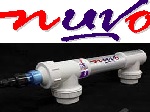 ol is going
to be used or on too infrequent a basis. Algae doesn't
follow a schedule. With proper maintenance the cost of
chemicals can be as little
as a few hundred dollars per
year. Pools that allow themselves to be turned into algae
farms end up costing much more. With 6 kids (and their
friends) expect the pool to get considerable use and for
this reason it is imperative that the pool be equipped with
a means of adding sanitizer on a regular basis. Today there
are devices that make sanitizing easier and more consistent.
such as
salt chlorine generators and
Ultraviolet Sterilizers. These devices reduce chemical usage and help
to repay their initial cost. Cleaning a pool can be a chore,
but there are pool cleaners that vacuum the bottom
and help improve circulation in the corners. Water testing
is important to help maintain the proper chemical balance
and today it can be done with a
ColorQ Water
Analyzer, which eliminates the color-matching and
guesswork. Pool opening and closing can be
done by the pool owner. Heating a pool can be done
inexpensively with a solar heating system. Bottom line is
that you're talking about hundreds and not thousands of
dollars. Actual cost will vary upon pool size, length of
season, utility rates equipment and how the pool is
operated. I hope that I have been helpful. Go for it! ol is going
to be used or on too infrequent a basis. Algae doesn't
follow a schedule. With proper maintenance the cost of
chemicals can be as little
as a few hundred dollars per
year. Pools that allow themselves to be turned into algae
farms end up costing much more. With 6 kids (and their
friends) expect the pool to get considerable use and for
this reason it is imperative that the pool be equipped with
a means of adding sanitizer on a regular basis. Today there
are devices that make sanitizing easier and more consistent.
such as
salt chlorine generators and
Ultraviolet Sterilizers. These devices reduce chemical usage and help
to repay their initial cost. Cleaning a pool can be a chore,
but there are pool cleaners that vacuum the bottom
and help improve circulation in the corners. Water testing
is important to help maintain the proper chemical balance
and today it can be done with a
ColorQ Water
Analyzer, which eliminates the color-matching and
guesswork. Pool opening and closing can be
done by the pool owner. Heating a pool can be done
inexpensively with a solar heating system. Bottom line is
that you're talking about hundreds and not thousands of
dollars. Actual cost will vary upon pool size, length of
season, utility rates equipment and how the pool is
operated. I hope that I have been helpful. Go for it!
Sincerely. Alan Schuster, 1/2/2004
► Considering
An Inground Pool?
Hey Alan, I'm strongly considering
buying an inground vinyl lined pool. Can you tell me the
maintenance involved with this? Thanks.
Seth, 7/18/2020
It is a simple question, but a long answer. The worst thing you can do is
use water that comes from a non-potable source. It is not
difficult to maintain the chemistry or add the necessary
chemicals. Depending upon your budget, there are devices and
gadgets that will help add the chlorine, clean the pool and
warm the water. A good filter makes a big difference - go
with DE or if you choose a sand filter, fill it with a
zeolite sand replacement filter media instead of
sand. It will rival DE in performance. They rarely ever
write me complaining about cloudy water. Do the recommended
maintenance and you should have few problems.
Neglect things
and you'll have problems. If you live up north, proper
winterizing always makes springtime opening easier. Browse
through the website and you'll see a cross section of the
problems that are encountered. It is hard to over-emphasize
the need for reliable water testing.
I would suggest a
ColorQ 2X tester. It is
all-digital, Bluetooth and eliminates all the
color matching and guesswork. Go for it. Good luck.
Sincerely. Alan Schuster, 7/18/2020
► Planning
Ahead?
I'm in the process of trying to build
an inground pool and I'm not sure what are the best
materials to use and such, what is the best equipment and
such. Don't get me wrong, I'm not building the pool myself.
I'm building a house and they have a different
sub-contractor to do the pool building for me. But in order
for me to know what is the best things to discuss with them,
I would need to understand more about inground pools and
what are the best materials, tiles and stuff to use. They
throw out terms like marcite, pebbles and stuff to use, but
how do I know which one is the best for the money? They tell
me about fences, alarms, pool covers, etc. But how do I know
I know which is the best or safest method to use. I have a 2
year old daughter, so I would want the safest thing for my
family. Automation for pools, heater for pools? I like both,
but I'm not sure which brand is best. What kind of heater to
use? Etc. I would like to build a classic, rectangular,
inground pool, 14 X 28. Please let me know if you have some
information, or if you know where I can find some help on
this. I would just like to know and do my homework before I
talk with the pool builder, so that I can get what is best
for my pool. FYI, I'm building the pool in Palm Harbor,
Florida. If you have any information about pool builders in
that area, I would appreciate hearing from you. I think your
book will be very helpful for me, after the pool is built.
Thanks again for your help.
Gabriel L. Palm Harbor, FL, 9/24/2006
I am a chemist and not a pool contractor. While I am willing
offer advice, please bear in mind that I don't have all the
answers. I'll try and point you in the right direction, but
you need to do some comparison shopping. You're going to
spend a considerable sum and you want to get it right.
That's more important than saving a few hundred dollars on a
component.
The terms marcite and pebbles refer to types of pool
finishes. Marcite is a smooth plaster and the pebbles sounds
like it is one of the aggregate finishes. They all do the
job, but they look different. Have the contractor show you
samples of marcite and various exposed aggregate finishes.
The cost differences are not huge and I suggest that you go
with the look that you prefer.
Fences may be required as per the building code. If you want
something that will provide real safety and help cut your
heating costs, I suggest that you look into an
automatic
pool safety cover.
So far as a heater is concerned, I
suggest that you go with a heat pump. The economics are very favorable.
It works in-line and assures that all water returned to the
pool is sanitized. It does require some installation,
so at the start of building would be an ideal deal time to
add this system. It is easily automated.
Pool Automation can be provided by a controller and can
include a chlorine salt generator to provide chlorine for
pool water sanitizing and a robotic pool cleaner. The
automatic safety cover, heat pump and pool lighting and more
can be controlled by a pool automation device. I hope that I
have been of help. Good luck with the pool project.
Sincerely. Alan Schuster, 9/24/2006
► Popped Out?
We are having a gunite pool built in
our backyard, and we have completed the gunite phase. During
a rainstorm last week, our pool got water under it and
raised on one side about 2 feet and 1 foot on the other in
the shallow end. We've drained the water from under the
pool, but of course it did not go all the way back down. Any
suggestions on what we should do? We've been told to wait
till the weather dries things up some, then possibility fill
the pool to hope it will go down some. Then to spray
concrete under it to stabilize it. Any suggestions would be
great!
Colleen H., 2/23/2007
P.S. The plumbing is fine and we
didn't have tile or concrete done yet!
This is definitely out of my area of expertise. You need to
seek some expert advice. I'm a chemist and not a pool
builder. I'll tell you what I know and you need to take it
from there. There is something called a hydrostatic pressure
relief valve that is supposed to prevent a gunite or
fiberglass pool from popping out of the ground, in high at
table areas. Do you have one? The rainfall caused a rise in
the water table and your pool, being empty or nearly empty,
floated up. If there was ground collapse, it is possible
that the solution will be complicated. It could be as simple
as just filling the pool. I don't know and you need to find
a person that does know. Is there a warranty? Good luck and
let me know how it turns out.
Sincerely. Alan Schuster, 2/23/2007
► Vanishing
Edge Pool Feature?
Hi Alan. I'm having a vanishing edge
pool built. Should the overflow tank be tiled? Regards.
Kevin R. United Kingdom, 2/27/2005
This is really something that you need to discuss with the
contractor. The overflow will be in contact with the feature
and will interact. Therefore, it must be treated to make it
water proof and as chemically resistant as the pool itself.
Plaster, tile or paint will all work. It is a matter of
whether or not it can be seen and cost. Good luck with the
pool - I'm sure that it will be a great looking pool.
Sincerely. Alan Schuster, 2/28/2005
► Hydrostatic
Pressure Relief Valve?
Will a gunite pool have a static
relief valve installed in it? If so where would it be? I
have a gunite pool that was drained for cleaning and floated
up about 8 inches at the deep end. The movement broke up the
concrete walk and I am sure damaged all of the piping. The
pool is 25 ft X 35ft. Thank you very much.
Peter D., 7/8/3004
I am not an expert on this matter, but it seems that there
are only two possibilities: there is no hydrostatic pressure
relief valve or it failed. Not all gunite pools have this
feature. If present it could be visible in the bottom of the
deep end or could be part of the main drain installation. A
HPRV should be installed, if the pool is being constructed
in a high water table situation. If your pool was built
during a drought, the need may not have been apparent. I am
not sure what the remedy entails. You need to discuss this
with an experienced contractor. Good luck with the
resolution of the problem.
Sincerely. Alan Schuster, 7/8/2004
► Hydrostatic
Pressure Relief Valve Decision?
Alan, we have a pool being built 10
feet away from the bay in Newport Beach CA. The contractor
seems to think that we do not need a hydrostatic valve. Can
you please respond and tell me the right direction we should
go? Thank you so much.
Ed. A., Newport Beach, CA, 1/23/2005
A hydrostatic pressure relief valve is used to prevent a
concrete or fiberglass pool, from popping out of the ground,
in a very high water table situations. You may be close to
the bay, but unless you're in a swamp, it probably really
isn't necessary. If the excavation hole is NOT rapidly
filling with water, the contractor is probably correct in
his thinking. But, a storm or weather event could change
that, so it might be worth considering. Good luck with the
project.
Sincerely. Alan Schuster, 1/23/2005
► Bulging
Pool Walls?
Alan, when opening the pool this year
we are having a problem with water under the pool liner. It
is making the liner bulge out. I am not sure if this is
caused by a leak in the liner or if I am having some other
drainage problems?
Ben C., 5/11/2008
If the pool is full there should not be any water bulging
behind the liner. The pressure of the water in the pool,
pressing up against the walls, should prevent this from
happening. It seems more likely that the bulge is from the
walls. Heavy rainfall and or poor drainage or shifting
ground could have caused the walls to bow inward. Is it
possible that this is what you are seeing? If so, I suggest
that you contact the builder and discuss any recommendations
that he might have. Good luck with the problem.
Sincerely. Alan Schuster, 5/11/2008
|
Visit The Website Stores . . . for
better informed shopping!!! |
|
|
Shipping is FREE* . . . within
the Continental U.S.
A $9.99
handling charge will apply
to Continental U.S. Orders,
under $75.00. Orders
outside of the Continental
U.S. may require some
additional charge, based on
quantity and destination.
Most products can be
shipped World-Wide. International
and orders outside of
Continental U.S. - see
comments on the ordering
pages. |
|
|
Major
Credit Cards and PayPal are accepted. |
|
▲
Return To Top Of Page
▲
Aqualab Systems, LLC does not
make any warranty or
representation, either expressed
or implied, regarding the
accuracy or completeness of the
information provided by this
website; nor does Aqualab
Systems., LLC. assume any
liability of any kind whatsoever
related to, or resulting from,
any use or reliance on this
information. The content of this
website should not be used, if
it is conflict with any
applicable federal, state or
local regulations or guidelines.
© Aqualab Systems, LLC. All
rights reserved
|
|