|
The AskAlanAQuestion.com Website. . . a resource for pool and spa help and informed shopping!!! |
||||||||||||||||||
|
Your Mobile-Friendly, Safe and Secure, Pool and Spa Connection, since 2002. |
||||||||||||||||||
|
|
 |
 |
 |
 |
 |
 |
 |
 |
||||||||||
|
|
Pool Problems |
Spa Problems |
Website Shopping |
Helpful Tips |
Water Testers |
New Products |
What's On Sale |
E-Mail A Question |
||||||||||


Langelier-Saturation Index |
||||||||||||||||||||||||||||||||||||||||||||||||||||||||||||||||||||||||||||||||||||||||||||||||||||||||||||||||||||||||||||||||||||||||||||||||||||||||||||||||||||||||||||||||||||||||||||||||||||||||||||||||||||||||
|
Useful in Preventing Scaling
and Corrosion. AskAlanAQuestion.com or the3aq.com |
Determining the Scaling or Corrosive Tendencies
of Water.
|
Scroll down to browse through some pool and spa information, relative to Calculating the Langelier/Saturation Index and the Ryznar Index. Please click the Pool Problems Link, on top of every page, to access a complete listing of Pool Problem subjects, an alphabetized Website Table of Contents, Pool Equipment Information, About Alan Biographic Material and a Pool Glossary. Use the other links to access additional subject information. More information about some new and unique products, for pools and spas, can be found by visiting The Website Store. You'll never know what you'll find and that's always fun. Be better prepared and avoid costly problems! |
|
|
Shipping is FREE* . . . within
the Continental U.S. |

|
|
|
|
On-line shopping since 2002 - Safe and Secure!!! | |


| Testing Pool and Spa Water Chemistry!!! | ||||||||||||||||||||||||
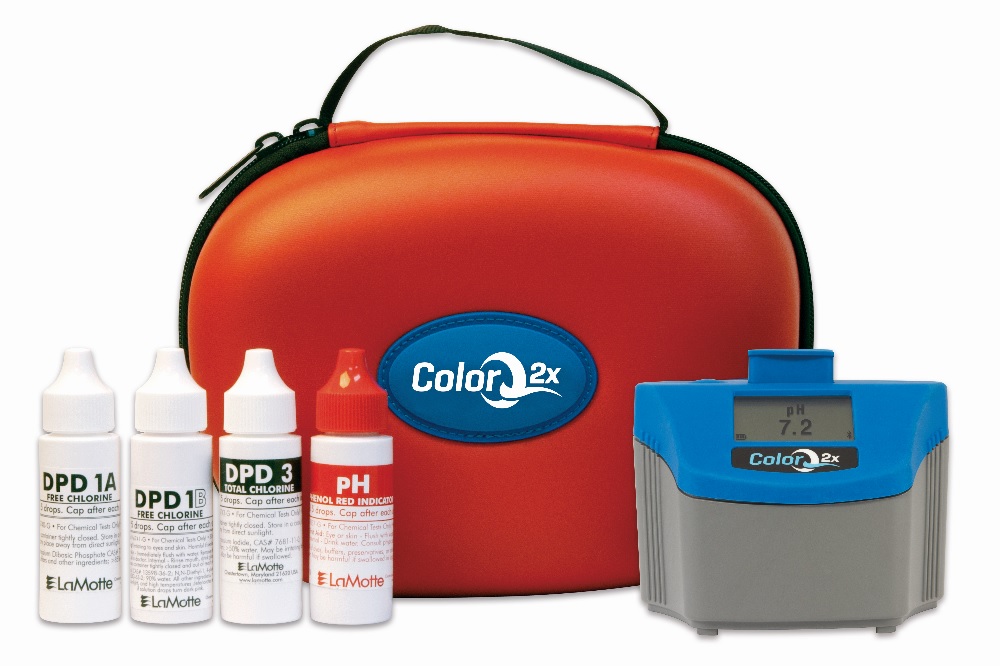
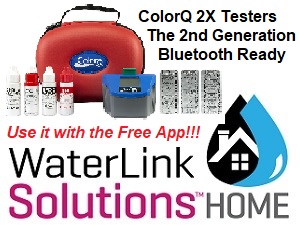
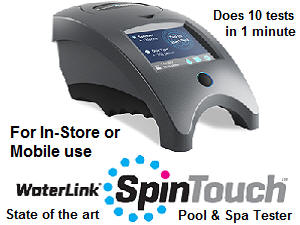
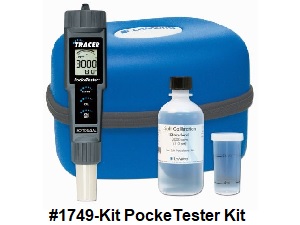
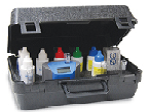
| Testing water is an integral part of pool and spa water management. Reliable and accurate results are important, in order to maintain proper water chemistry. The water balancing or chemistry affects every aspect of pool and spa management. A ColorQ, All-Digital Water Tester can perform all of the common pool water tests, while eliminating the color-matching and guesswork. There is a model, for every pool testing need. The WaterLink SpinTouch Labs are the ultimate pool and spa tester, performing up to 10 different water test factors, in just 1 minute. Voted product of the year. An Electronic PockeTester Kit tests for salt, TDS and Temperature. Simply Dip and Read. | ||||||||||||||||||||||||
|
||||||||||||||||||||||||
|
If you have a pool or spa water testing need, we should have the product. ► Scroll down to read through some water chemistry information. ◄ |
||||||||||||||||||||||||
| How to calculate the Langelier or Ryznar Stability Index??? | ||||||||||||||||||||||||
The Langelier
or Saturation Index and the Ryznar Stability
Index use slightly different approaches to solve
and prevent problems, associated with pool and
spa water corrosion and scaling. In some
instances, source water can be so high in
calcium hardness, that is presents a challenge
to avoid scale formation, on the underwater
surfaces. Theses Indexes are intended to
help deal with these problems. If problems
arise, refer to the
Pool Problems
Page or
Spa
Problems Page, as a source of
problem-solving information, broken down into
various categories. Scroll down the page and
click on the linked
keywords or
catch phrases
below, to access additional information, on that topic or product.
Calculating Pool and
Spa Volumes
Unsure About Pool or Spa Interior Surface Areas?
 |
Join our E-Letter Mailing List. You'll receive 1-3 E-Letters a month, featuring helpful pool and spa advice, new product information and sale announcements. All we require is your e-mail address and you can opt out anytime you wish. Your information will never be shared or sold. |
|
LANGELIER or SATURATION INDEX |
|||||
|
The Langelier or Saturation Index is useful in determining the corrosive or scale-forming tendencies of pool or spa water. In order to calculate this Index, it is necessary to have the following information: |
|||||
|
|||||
|
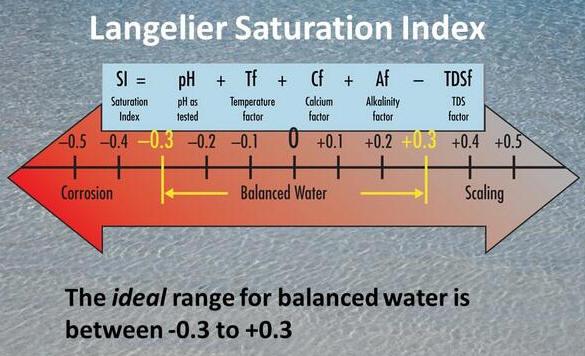
The ideal range for the Langelier or Saturation Index is -0.3 to +0.3. Test values more negative than -0.3 (i.e., -0.6) are considered corrosive and steps should be taken to adjust the pH, total alkalinity or calcium hardness, in order to avoid the effects of corrosion. Test values higher than +0.3 (i.e., +0.6) are indicative of scale-forming tendencies and steps should be taken to adjust the pH, total alkalinity or calcium hardness, in order to avoid scale formation and cloudiness. |
|||||
|
The following formula is used to calculate the
Langelier/Saturation Index: |
|||||
 |
|||||
| LANGELIER INDEX CONVERSION CHART | |||||
| TF | CF | AF | |||
| Temp°F / °C | TF | CH PPM | CF | TA PPM | AF |
| 32°F / 0°C | 0.0 | 5 | 0.3 | 5 | 0.7 |
| 37°F / 3°C | 0.1 | 25 | 1.0 | 25 | 1.4 |
| 46°F / 8°C | 0.2 | 50 | 1.3 | 50 | 1.7 |
| 53°F / 12°C | 0.3 | 75 | 1.5 | 75 | 1.9 |
| 60°F / 16°C | 0.4 | 100 | 1.6 | 100 | 2.0 |
| 66°F / 19°C | 0.5 | 150 | 1.8 | 150 | 2.2 |
| 76°F / 24°C | 0.6 | 200 | 1.9 | 200 | 2.3 |
| 84°F / 29°C | 0.7 | 300 | 2.1 | 300 | 2.5 |
| 94°F / 34°C | 0.8 | 400 | 2.2 | 400 | 2.6 |
| 105°F / 41°C | 0.9 | 800 | 2.5 | 800 | 2.9 |
| 128°F / 53°C | 1.0 | 1000 | 2.6 | 1000 | 3.0 |
|
The following
example illustrates how the Langelier/Saturation
Index is calculated: The actual pH = 7.4 The actual water temperature = 78°F or 25°C : from the chart use TF = 0.6 The actual calcium hardness (CH) = 198 PPM ; from the chart use CF = 1.9 The actual total alkalinity (TA) = 97 PPM : from the chart use AF = 2.0 * 12.1 is a constant used in the calculation of the Langelier/Saturation Index Langelier Index = pH + TF + CF + AF - 12.1* Langelier Index = 7.4 + 0.6 + 1.9 + 2.0 - 12.1* = - 0.2 (from above data) Results: -0.2 is in the ideal range of -0.3 to +0.3 |
|||||
| LANGELIER INDEX CORRECTIONS | |||||
|
The Langelier
Index is a tool that is most frequently used by
knowledgeable pool and spa professionals. For
the typical pool or spa owner, that maintains
the water balance, within or close to the
recommended ranges for pH, total alkalinity and
calcium hardness, the Langelier Index should not
be a concern, inasmuch as it will fall within
the ideal range of -0.3 to +0.3. In those
instances where the pool or spa water chemistry
is substantially out or balance or problems are
in evidence, the Langelier Index can give
insight into the proper course of corrective
treatment. |
|||||
| RYZNAR STABILITY INDEX | |||||
|
An article appeared in the 8/12/11 issue of Pool
and Spa News about the Ryznar Index. This index is
favored, by some heater and equipment
manufacturers, because it affords greater
protection against corrosion, than does the more
familiar Langelier Index. It favors higher
calcium hardness levels and/or higher pH levels.
While this will lessen the possible the
corrosive effects of softer, lower pH water, it
comes at a price. It boosts the calcium hardness
to a point, where scale begins to form, which
actually helps protect the equipment, from
corrosion. However, as scale forms in the
heater, it reduces the efficiency, by acting as
an insulator. In a filter, it acts to cement the
filter media, reducing the effectiveness of the
filter. In areas of the southwest, the water is
already too hard, right out of the tap and it is
challenging to main a clear pool, without
excessive scaling.
If you wish to help protect your heater and
maintain the warranty, you might do one of the
following. The Ryznar function as a scale
monitoring index. |
|||||
| Visit The Website Stores . . . for better informed shopping!!! | ||||||||||||||||||||
|



|
|
Aqualab Systems, LLC does not
make any warranty or
representation, either expressed
or implied, regarding the
accuracy or completeness of the
information provided by this
website; nor does Aqualab
Systems., LLC. assume any
liability of any kind whatsoever
related to, or resulting from,
any use or reliance on this
information. The content of this
website should not be used, if
it is conflict with any
applicable federal, state or
local regulations or guidelines.
© Aqualab Systems, LLC. All
rights reserved