|
 |
Shipping is FREE* . . . within
the Continental U.S.
A $9.99
handling charge will apply
to Continental U.S. Orders,
under $75.00. Orders
outside of the Continental
U.S. may require some
additional charge, based on
quantity and destination.
Most products can be
shipped World-Wide. International
and orders outside of
Continental U.S. - see
comments on the ordering
pages. |
|
 |

Major
Credit Cards and PayPal are accepted. |
|
On-line
shopping since 2002 - Safe and Secure!!! |
|
Managing the Sanitizer level, of Spa or
Swim-Spa water!!! |
|
Rashes and
irritations are usually the direct
result of inadequate sanitation and/or
spa water chemistry. Sanitizing is
a must, for proper spa water management.
Salt Chlorine generators are a
better way to utilize chlorine, producing
more controllable results. They
eliminate the need to handle, measure or
store chlorine products, while reducing
buildup problems. An
Electronic
PockeTester Kit is a convenient
way to monitor the salt level. |
|
Salt Chlorine Generators - 4
Models |
Testing The Salt Level |
Salt Chlorine Generators - 4
Models |
 |
 |
 |
|
Product and Ordering Information |
Product and Ordering Information |
Product and Ordering Information |
If you have a pool or spa water
testing need, we should have the
product.
►
Scroll down to read through some
Question & Answer information.
◄
|
|
To achieve better sanitation,
proper water chemistry is
required.
A
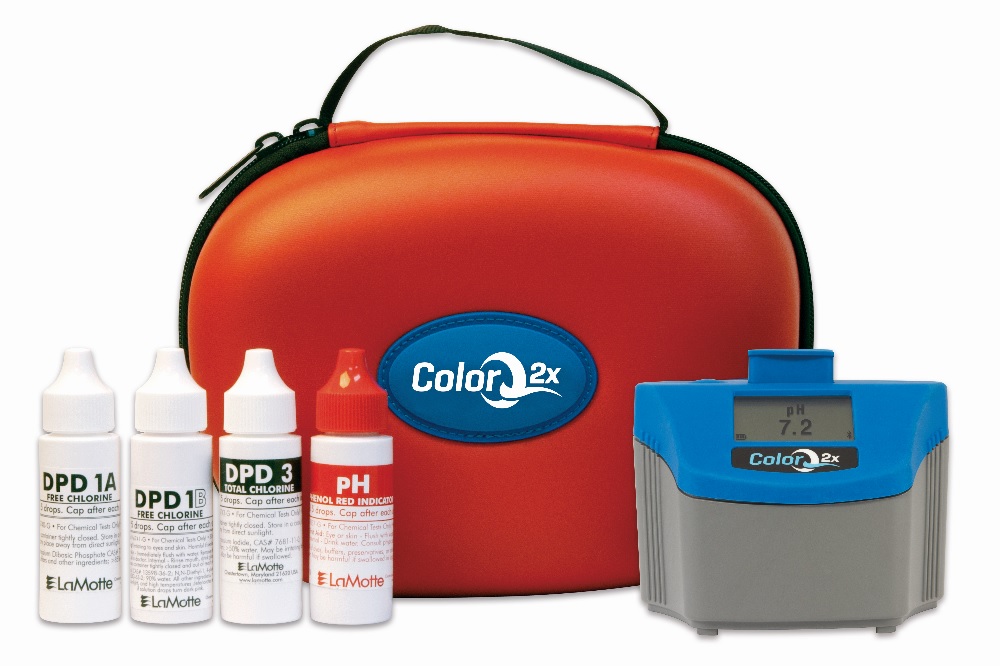
ColorQ 2X is a 2nd generation,
Bluetooth, Waterproof, all-digital tester,
that can
measure all the common test factors. There is a model, for every sanitizing
need.
If you have a cartridge filter,
The Blaster Automatic Filter Cartridge
Cleaner will make that chore
much easier. Fine
particles can pass through many
filters.
The
WaterLink SpinTouch Labs
are the ultimate tester, doing
up to 10 different water test
factors, in just 1 minute.
Voted product of the year. |
|
ColorQ All-Digital Water Testers |
Automatic Filter Cartridge
Cleaner |
WaterLink SpinTouch Labs |
 |
 |
 |
|
Product and Ordering Information |
Product
and Ordering Information |
Product and Ordering Information |
If you have a pool or spa water
testing need, we should have the
product.
►
Scroll down to read through some
Question & Answer information.
◄
|
|
|
How to avoid spa rashes and irritations? |
Avoiding
a spa rash or irritation, that might result from inadequate
sanitation, bad chemistry, chemical dermatitis
or sensitivity? Rashes and
irritations in spas or hot tubs occur for two
principal reasons: bacterial infections or
chemical dermatitis. It is recommended that
persons exhibiting these problems seek a medical
opinion. Bacterial infections can be the direct
result of inadequate sanitation. Chemical
dermatitis can be the result of excessively high
levels of chemical agents and/or extremes in pH
or the presence of irritating, unwanted
byproducts. Some individuals seem to be more
sensitive, to even normal levels of common
sanitizers, and may be helped by a switch to an
alternative sanitizing method. If problems
arise, refer to the
Spa Problems
Page, as a source of problem-solving
information, broken down into various
categories. Scroll down the page and click on the linked
keywords,
catch phrases
or images, in the archived answers below, to access additional information, on that topic or product.
Do you know what's in
your water? If you're having problems, with
sanitation or water clarity, testing allows you to better
understand the chemistry and determine the cause of the
problem. Once understood, you can select the best
treatment option. Understanding the nature of the
problem, should be step one. For information about
our full selection of testing options, visit our
Test Equipment Store.
 |
Join our E-Letter Mailing List.
You'll receive 1-3 E-Letters a
month, featuring helpful pool
and spa advice, new product
information and sale
announcements. All we
require is your e-mail address
and you can opt out anytime you
wish.
Your information
will never be shared or sold. |
|
▼
Helpful,
Problem-Solving Information, in a question and
answer format.
▼ |
►
Can COVID-19 present a risk, in a home spa?
I was just
wondering, if my spa is safe to use, during these trying
times.
Debbie D.,
Georgia, 4/2/2020
There is no evidence that COVID-19 can be spread to
humans through the use of pools and hot tubs. Proper
operation, maintenance, and disinfection (e.g., with
chlorine and bromine) of pools and hot tubs should
remove or inactivate the virus that causes COVID-19.
The preceding information was taken directly for the CDC
website. Needless to say, you should adhere to social
distancing recommendations and limit the number of people,
in and around the spa. Now is not the time to have a
spa party. Use this link for the latest, from the CDC:
https://www.cdc.gov/coronavirus/2019-ncov/php/water.html
Hopefully, this too will pass.
Stay well
and keep safe!!!
Alan
Schuster, 4/2/2020
►
High Cyanuric Acid Levels Have A Major Downside?
I've been have
water quality and some irritation issues. I use sodium
dichlor, on a regular basis and have been told, that my
cyanuric acid level of 120 PPM, is too high and that the
water should be replaced. Is that the solution?
Thank you,
Betty F., NC,
11/11/2019
I should be a step, in the
right direction. Water replacement every 3-4 months
seems reasonable, even without the cyanuric acid level being
high. Over the past few years, the industry has come to
recognize some of the negative aspects of cyanuric acid
build-up. Yes, cyanuric acid can help protect
chlorine, from being destroyed, by the Sun's UV rays.
However, that is not a major consideration, for spas that
are covered most of the time or are indoors. Cyanuric
acid levels, over 50 PPM, have been shown to lessen the
effectiveness of chlorine and increase the likelihood of
negative consequences. Given the small volume of
water, in a typical spa, the use of stabilized chlorine will
result in a relatively rapid build-up of cyanuric acid,
resulting in a decrease in sanitizer effectiveness and
overall water quality. If you want to use chlorine and avoid
the negative effects of a rising cyanuric acid level, chlorine can used in another
entirely different and better way: a
salt
chlorine generator uses ordinary salt and
converts it into chlorine. This eliminates the
build-up problems, associated with rising levels of cyanuric
acid, and the
need to handle, store or measure chlorine
products. Salt chlorine generators can
used as a backup sanitizer or oxidizer, in conjunction with
many types of alternative sanitizers, with the principle
exception of biguanide. High cyanuric acid levels can
explain a whole host of spa and pool problems. It
probably cannot explain all the problems, but it is most
likely a significant
contributing factor, in a wide range of sanitizing, water
quality and irritation issues. A spa with less than 50
PPM, of cyanuric acid, should be able to get by with a 2-4
PPM, of free chlorine. At 100 PPM, it might required
5-8 PPM. At 150 PPM, it might require 8-12 PPM.
The levels suggested, by the last two examples are not
really practical, from a user point of view. Most
testers only read up to 10 PPM. Cyanuric acid testing
can become less reliable, as the levels rise to 100-150 PPM.
This can leave, those tasked with water maintenance, at a
disadvantage, when relying on stabilized chlorine, as the
primary sanitizer. Chlorine has a long, proven history
of use and there are better ways of utilizing chlorine,
without compromising sanitizer effectiveness, due to high
levels of cyanuric acid. A
Salt
Chlorine Generator is a better way to use chlorine.
If you want to use chlorine, this would seem to be the way
to go. I hope that this has been informative.
cyanuric acid level, chlorine can used in another
entirely different and better way: a
salt
chlorine generator uses ordinary salt and
converts it into chlorine. This eliminates the
build-up problems, associated with rising levels of cyanuric
acid, and the
need to handle, store or measure chlorine
products. Salt chlorine generators can
used as a backup sanitizer or oxidizer, in conjunction with
many types of alternative sanitizers, with the principle
exception of biguanide. High cyanuric acid levels can
explain a whole host of spa and pool problems. It
probably cannot explain all the problems, but it is most
likely a significant
contributing factor, in a wide range of sanitizing, water
quality and irritation issues. A spa with less than 50
PPM, of cyanuric acid, should be able to get by with a 2-4
PPM, of free chlorine. At 100 PPM, it might required
5-8 PPM. At 150 PPM, it might require 8-12 PPM.
The levels suggested, by the last two examples are not
really practical, from a user point of view. Most
testers only read up to 10 PPM. Cyanuric acid testing
can become less reliable, as the levels rise to 100-150 PPM.
This can leave, those tasked with water maintenance, at a
disadvantage, when relying on stabilized chlorine, as the
primary sanitizer. Chlorine has a long, proven history
of use and there are better ways of utilizing chlorine,
without compromising sanitizer effectiveness, due to high
levels of cyanuric acid. A
Salt
Chlorine Generator is a better way to use chlorine.
If you want to use chlorine, this would seem to be the way
to go. I hope that this has been informative.
Sincerely.
Alan Schuster, 11/12/2019
►
What's Causes Folliculitis?
Hi Alan, many
thanks for your informative site. We are in New Zealand,
have had a spa for 3 months: equipped with an ozonator, and
silver stick, 1200 litres. After 1 week of use my son
developed folliculitis, and the spa pool company advised
that our spa was most likely infected by a visitor (who also
owns a spa) who had used our spa. (The visitor did not have
folliculitis). The pool was cloudy at this time, low pH,
hard to get the chlorine level up. He advised to put in a
new filter, change all water and clean out pipes with a
swirl away cleaning product (repeat procedure twice) refill
pool, and take water to a lab for testing of pseudomonas
aeruginosa which all up would have cost another few hundred
$$! Another spa pool rep advised to remove 1/3 of water and
chlorine shock, and put soda bicarbonate in to get pH up. We
went for the removal of 1/3 of water option. Addition of
soda bicarbonate didn't affect pH, and then I found your
advice of using soda ash which worked well on getting pH to
7.2 and alkalinity to 120-180. We usually add a few
teaspoons of chlorine, after each use and shock once a week.
Since we have had the spa we have to add more and more
chlorine to try and get levels of 3 ppm. In fact, lately I
have been adding chlorine and retest 24 hrs later and free
chlorine level is 0. We have tried 3 different types of
chlorine and nothing seems to make any difference to getting
chlorine levels up. I would like to know which is the best
to use: a) sodium dicloroisocyanurate min 560g/kg, b) sodium
dichloro-s-triazinetrione dihydrate, c) 350g/kg available
chlorine present as lithium hypochlorite. We have not had
any more folliculitis since the first episode. I would be
most grateful if you could shed some light on all this as we
feel we are fighting a losing battle! Thanks in advance for
your assistance. Regards.
Rachel C, New Zealand, 7/26/2018
I don't think the first spa company understands the problem.
Pseudomonas at infectious levels can cause folliculitis and
it can be introduced, in any number of ways. Testing for it
will prove nothing, as it most surely is there. You need to
minimize the levels. In other words, you need to kill
virtually all of it and keep the water properly sanitized.
It is hard to keep bacteria out of a spa, that people use.
Normal people have almost 2 kg of microorganisms living on
or in their bodies. They range from benign to pathogenic,
with the most infectious living in the intestinal track. We
can't live without them.
The problem arose because of inadequate sanitation. Ozone is
great, but is quickly disappears, once the pump is off.
Silver has its limitations. Right now, you need to use
either dichlor (A and B are different names, for the same
chemical.) or lithium and get the free chlorine to 5-10 PPM.
Test and add more product, as needed. Keep it elevated for
at least 12 hours. Maintain the pH at 7.2-7.6. Maintain the
free chlorine level at 2-4 PPM, from this point on. Add some
chlorine, after each use and retest the water, before and
after each use.

If you add a dose of sodium bromide, each time the spa is
refilled, the chemistry will function as bromine, even
though chlorine is
being added. Bromine seems to work better, under these
conditions. You could also replace chlorine additions with a
salt chlorine
generator, which will provide better control and
results. It works well with ozone and silver, too. If you
add 250 grams of sodium bromide, along with the required
amount of salt, it will generate bromine, instead of
chlorine. We have 2 models, that are smart enough to only
produce chlorine/bromine when it is actually needed and they
work independently of the pump and require no installation.
I hope that the information provided was helpful.
Sincerely. Alan Schuster, 7/26/2018
►
What's Causing This Rash?
I find your
site very useful! My husband and I purchased a hot tub about
5 months ago, and enjoyed it greatly with seemingly no
problems for the first couple of months. Then my husband
started to have skin reactions. The advice from the spa shop
that sold us the chemicals (bromine, tabs and
dichlor/bromine combination powder) was to do a
decontamination with super chlorination, even though it was
a brand new spa. We followed that advice, and while we
weren't able to use the spa his skin had healed. But the
reactions continued once the spa was decontaminated, drained
and refilled (twice). It is only my husband that has the
reactions. I and my 3 daughters are fine. The reaction he
gets is more like dry skin with redness, itching, and
peeling, than a typical folliculitis reaction. I know your
advice would be to seek a doctor's opinion where that is
concerned, so my question isn't really regarding that.
The first thing we tried, upon advice from the salespeople
at the spa shop, was to try biguanide. So we did, and let me
tell you I have never been so disgusted in my life. However,
it was pretty easy to balance our water, pH was good as well
as clarity and my husband's skin was perfect with absolutely
no irritation. But both of us hated the smell of biguanide,
and the spray it generated while using the tub would work
its way into our mouths and tasted so bitter. Plus, having
read over and over again that eventually we'd develop a
resistant water mold and have to switch sanitizer again
anyway, led us to drain the tub and try bromine again, this
time with the addition of a spa mineral sanitizer (our tub
is also equipped with an ozonator, but it doesn't run
continuously like on the higher end tubs--ours only runs
when the pumps are running a filter cycle or when we use the
tub).
At any rate, even with a low level of bromine residual in
the tub, 1-2 ppm he is having reactions again. I am so
frustrated. I don't really know if there are any other
options for him. Most of the alternative sanitizers don't
really seem to be EPA approved. The only other one,
recommended to us, by our hot tub manufacturer, won't
disclose anything about the chemistry, it's super expensive,
AND most of the advice I've seen is to continue using your
regular sanitizer along with it. I understand it's meant to
reduce biofilm formation. But I have seen plenty of reviews
of people getting rashes while using it too.
The only other thing I can think to try at this point is
adding borates, to stabilize pH and give the water a softer
feel. He does shower after using the tub and apply lotion
which helps a little, but he is still getting itchy. I am
not willing to use biguanide again or give up the hot tub
since 4/5 of the family enjoys it problem free. Do you have
any suggestions? Thank you so much for your time!
Jess W., 1/27/2018
You probably didn't
expect a reply so quickly, but here it is. It would be safe
to assume that your husband has used swimming pools, that
were sanitized with chlorine. It is almost certain that he
never used a pool sanitized with bromine. The bromine
tablets contain a component, that is only found in water
treated with bromine tablets. That ingredient is dimethyl
hydantoin. Over the years I have received many letters, sim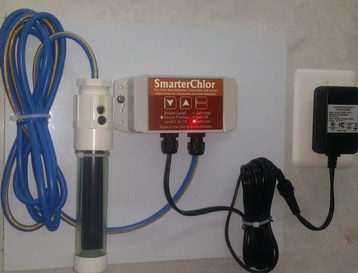 ilar
to yours, and the use of bromine tablets. I have never
received one that involves the bromine 2-part system, which
is not tablet based and does not contain
dimethyl hydantoin. Based on this anecdotal information, I
believe that the problem is the dimethyl hydantoin. Most
likely your husband never encountered this compound, until
you got a spa. I suggest the your husband consult a
dermatologist, as I am not medically qualified. I have no
idea whether your husband is hyper-sensitive or if it was
due to poor chemistry or sanitation. Poor sanitation or
chemistry usually affects more than just one person. I would
drain and clean the spa and refill using granular sodium
dichlor. It will still leave open the possibility that
cyanuric acid, a component of sodium dichlor is the
causative agent, but that ingredient is widely used in most
residential pools, while dimethyl hydantoin is not. If this
proves successful, there are options going forward. Using a
salt chlorine generator will eliminate the dimethyl
hydantoin and the cyanuric acid. The NEW
SmarterSpa
Salt Chlorine Generator automatically maintains a proper
level, turning it self on and off, depending on the actual
chlorine content. Its plug-n-play design requires no
installation.
ilar
to yours, and the use of bromine tablets. I have never
received one that involves the bromine 2-part system, which
is not tablet based and does not contain
dimethyl hydantoin. Based on this anecdotal information, I
believe that the problem is the dimethyl hydantoin. Most
likely your husband never encountered this compound, until
you got a spa. I suggest the your husband consult a
dermatologist, as I am not medically qualified. I have no
idea whether your husband is hyper-sensitive or if it was
due to poor chemistry or sanitation. Poor sanitation or
chemistry usually affects more than just one person. I would
drain and clean the spa and refill using granular sodium
dichlor. It will still leave open the possibility that
cyanuric acid, a component of sodium dichlor is the
causative agent, but that ingredient is widely used in most
residential pools, while dimethyl hydantoin is not. If this
proves successful, there are options going forward. Using a
salt chlorine generator will eliminate the dimethyl
hydantoin and the cyanuric acid. The NEW
SmarterSpa
Salt Chlorine Generator automatically maintains a proper
level, turning it self on and off, depending on the actual
chlorine content. Its plug-n-play design requires no
installation.
Using the ozonator should allow you to reduce the chemical
footprint. It should be used with chlorine and works really
well with a salt chlorine generator. I am not a big
fan of biguanide, for the same reasons you mentioned.
And I don't like sanitizing methods that are not EPA
registered. I call them voodoo chemistry. Please
let me know how this turns out. I hope that the
information provided was helpful.
Sincerely. Alan
Schuster, 1/27/2018
Alan, a follow up and a thank you.
My husband's skin is able to tolerate chlorine! What a
relief. I appreciate the advice as the 'experts' at my local
spa store were only adding to the confusion and our growing
pile of unusable chemicals. I understand that the
salespeople at spa stores may not recommend using dichlor
alone to most people, as it is more demanding and needs a
lot of babysitting/frequent water changes. Actually I
am using the dichlor-then-bleach method, and it's working
very well for us, for now. At some point in the distant
future, maybe we'll try bromine again without the tabs.
Thanks again!
Jess W., 3/17/2018
I'm glad to hear that things are looking up. Do you really
want to give bromine another chance, even if it is with the
2-part system? You're getting good results with chlorine and
the ozonator. Why not add the chlorine, in a better way, and
eliminate the byproducts, such as cyanuric acid? A
salt chlorine generator is a better way to do chlorine. Just
a few pounds of salt, each time the spa is refilled, and it
produces all the chlorine the spa requires. Because of
the ozonator, you should be able to manage with a lower
level and have fewer problems with odors. This will
simplify maintenance and reduce the chemicals being added to
the spa. I am glad, that this had a happy ending and that
you shared it with me. I hope that I have provided the
long-term solution.
Sincerely. Alan
Schuster, 3/17/2018
► Persulfate Rash?
Hi and I hope you can help. We have
had a spa at our weekend home in Michigan since December of
'09. About a year ago I started getting dry, itchy patches
all over my body (except head and neck). After finally going
through allergy testing it was determined that I am allergic
to persulfates and that I should avoid potassium
peroxymonosulfates which I guess are typically found in
non-chlorine shock. Since I am not the one who maintains the
spa and I am not there I am not sure what kind of shock we
use. We use a bromine system. My doctor said that switching
to a full chlorine system would probably help - but I don't
like the chlorine smell. I wonder if you have any thoughts
or experience dealing with this issue. We are
wondering about ozonator or other alternative cleaning
methods. Thanks in advance.
Tom R. Michigan, 10/9/2014
I can't argue with the Doctor's findings. I have heard of
this irritation problem before and it is attributed to the
presence of excessive amounts of persulfate. Bear in mind
that persulfates react with bromide ions, to convert it to
bromine, and with organic wastes. This should happen in a
short period of time. If you use the spa, immediately after
adding non-chlorine shock, there could be excess persulfates
present. If you add a Mineral Sanitizer,
you will be add to get by with maintaining a lower bromine
level. If you add an ozonator, it could eliminate most of
the need to add shock. Should the bromine level bottom out
or shock be required, you can simply add sodium dichlor.
Sincerely. Alan Schuster, 10/10/2014
► Natural Spa
Rash?
Hi, first may I say that this is the
most helpful page I have come across. Thank you so much.
Second, I got the spa to relax and the stress, of
maintaining it, is making me more tense! My husband has come
down with a rash, that we have linked to spa use. Which
bring me to my question...you did not mention natural spa
chemicals on your site. It uses no chemicals and I only have
to treat it once every three months, I do have to purge my
unit due to bromine use.. My question is, do you recommend
this, and what are the downsides? Thank you so much for your
time and expertise.
Kelly C, 4/7/2013
Call me a skeptic! If you don't control infectious
(pathogenic) bacteria, such as pseudomonas aeruginosa, you
can end up with a rash or worse. The spa product that you
are using may not be a recognized water sanitizer. Check the
label. Does it have the EPA Registration number that a
sanitizer must have? Evidently, this product, can under
certain circumstances, work. However, I would rather use a
product that I can measure and test and that works under
virtually all properly maintained conditions. Unless, you
want to risk a repeat, I suggest that you consider a more
traditional spa water sanitizer.
Salt Chlorine Generators,
bromine, chlorine, mineral sanitizers, in conjunction with
an ozone generator or a
UV (ultraviolet) Sanitizer will
afford much greater protection and better assure bather
comfort. I'm glad that you found the website helpful. Good
luck with your decision.
Sincerely. Alan Schuster, 4/7/2013
► Elusive Spa
Rash?
After having a 550 gallon spa for 6
months, all of a sudden my son and I are getting an itch
irritation, even when only in for a short time. We use
bromine in a feeder cartridge and have changed the water a
couple times. Seems to not be a problem the day after I
change the water, but otherwise it is. I can tell you that
I am not perfect about keeping all the factors in correct
balance all the time. It is not used a huge amount,
probably on average 10 total usages/week. I was told that
draining and changing to chlorine would probably correct the
problem. I have no problem doing this. Just checking
another source. Thanks for your thoughts.
Tom, 1/11/2012
What you are describing could be due to inadequate
sanitation or chemical dermatitis due to high bromine levels
and poor control of the pH. I suggest that you seek a
medical opinion for treatment and proper diagnosis of the
rash. By your own admission control of the spa chemistry was
lacking. Switching to chlorine will solve nothing and might
even worsen the situation. I suggest that you consider
adding an ozone generator, as it will simplify maintenance
and reduce chemical usage. Ozone generators should be used
with a backup sanitizer such as bromine. With ozone, you
should get very satisfactory results with a level of 1-3 PPM
and this should make for less irritating conditions. I hope
that this information proves helpful.
Sincerely. Alan Schuster, 1/11/2012
►
Had Folliculitis - Now What?
Sorry if this
is redundant from archives. Recently got hot tub, and
clearly under treated because my daughters have classic
folliculitis. Tub has ozonator, and have been using weekly
spa dichlor and a spa enzyme after use. pH and alkalinity
seemed OK, by test strips. Chlorine reads low, but I thought
that’s what I should expect with ozonator. Main
question is after known folliculitis, do I need to drain and
start over or can I just treat water aggressively — and if
so what would you recommend? Thanks.
Sarah B.,
12/28/2014
Draining should not be
necessary, but you should boost the free chlorine to 5-10
PPM and keep it there, for a least several hours , while
running the
pump. The chemicals you add are what prevents the water from
becoming old bath water. The weekly addition of
dichlor and the presence of the ozonator are giving you a
false sense of security. The enzyme is not a sanitizer. You
should try an keep the free chlorine at 2-4 PPM, for as much
of the time, as possible. Having an ozonator means that it
will take less product to maintain any given free chlorine
level. It is best to test the water before and after each
use and add product accordingly. A
salt chlorine generator
is a better way to use chlorine, in a spa. It gives you more
control over the free chlorine level and provides for a
better experience. We offer a range of affordable models, in
our website store, with most requiring no installation.
I hope that this will help solve your problems. Best wishes
for the new year.
, while
running the
pump. The chemicals you add are what prevents the water from
becoming old bath water. The weekly addition of
dichlor and the presence of the ozonator are giving you a
false sense of security. The enzyme is not a sanitizer. You
should try an keep the free chlorine at 2-4 PPM, for as much
of the time, as possible. Having an ozonator means that it
will take less product to maintain any given free chlorine
level. It is best to test the water before and after each
use and add product accordingly. A
salt chlorine generator
is a better way to use chlorine, in a spa. It gives you more
control over the free chlorine level and provides for a
better experience. We offer a range of affordable models, in
our website store, with most requiring no installation.
I hope that this will help solve your problems. Best wishes
for the new year.
Sincerely. Alan Schuster, 12/29/2014
► Chlorine
Spa Rash?
We have had a hot tub for 4 years and
for the last six months, 1st me then my wife have developed
a rash on our legs which we think is a reaction to the
chlorine in the tub. If not, what ever the cause, the
chlorine really brings out the rash and makes it worse. I
have always been very careful about the chemistry in the tub
as on occasions lots of people use it. When the kids come
home for the holidays etc. I have kept the chlorine lever
too high often which may make things worse. Is it common for
people to have reactions to the chlorine? I have just
ordered a purification product which consists of natural
minerals which slides into the center of the filter. I have
not tried it yet but the manufacturer stand behind the
product and it is supposed to replace either chlorine or
bromine and last for 4 months. Any feedback would be really
appreciated. Thanks in advance.
Eric B., 12/20/2008
A spa rash can result from chemical dermatitis or a
bacterial infection. I suggest that you seek medical advice,
as to the likely cause and best treatment. Too much
chlorine, haywire chemistry or bad water management can lead
to chemical dermatitis. Inadequate sanitation can lead to
skin rashes. The device that you are describing is called a
mineral sanitizer. It cannot replace the need to add
chlorine, bromine or other oxidizers! It may reduce the
amount of these products that will be required, but it will
not come close to eliminating their usage unless you have an
ozonator. The combination of a mineral sanitizer and an
ozonator can be very effective, especially if you maintain a
low level of chlorine or bromine, as typically recommended.
If you do not have an ozonator, I suggest that you consider
adding one. Ozonators are very effective in helping to
maintain quality spa water and avoiding the problems that
you have described. Ozone will reduce the amount of
chemicals being added, simplify water chemistry and reduce
the chemical sensation. I hope that this information will
prove helpful. Enjoy the holidays.
Alan Schuster, 12/21/2008
If I had read the recent letters
asking about rashes I would not have asked mine. Sorry.
However my questions about the mineral sanitizing system I
ordered (have not got it yet) that fits in the middle of the
filter and how it works is a good question I hope. I would
like to know about ozone systems and can I install a
ozonator system in line in my hot tub? What is involved?
Also when I tested my hot tub water last night (theoretical
exercise as I am not getting it at present do to rash on my
lower legs) the chlorine was high. I am using pucks and was
interested to know that they are really for pools. In hot
tubs they dissolve much more quickly out of the dispenser
due to the heat of the water causing higher levels of
Chlorine. The test results also showed the pH and total
alkalinity were both low. I have to admit I don't know the
importance of these two factors. Can they have anything to
do with causing rashes. Looking forward to hearing from you.
Eric B., 12/21/2008
There's nothing wrong with asking the questions. With this
additional information, it seems apparent that the spa rash
could be chemical dermatitis. A medical opinion and
treatment should be sought. Chlorine tablets (pucks) are not
recommended by any spa chemical producer, as they will
dissolve too quickly at the temperature of most spas and hot
tubs, causing high chlorine readings. In addition, they are
acidic and will lower the pH and TA. Low pH conditions can
lead to heater corrosion and will make the chlorine more
aggressive and irritating. Sound familiar? You can add an
ozonator to your unit - it would be my choice. If you want
to use chlorine, use granular sodium dichlor, as it is
relatively pH neutral, or use a
salt chlorine generator. If you want to use a floater, use
bromine tablets, as they are slow-dissolving at spa
temperatures. I suggest that you drain the hot tub and start
over. There is little doubt that you caused some heater
corrosion and, if you merely adjust the pH and chemistry,
some staining could result. Drain and start with a clean
page! Good luck and I hope that I have helped to solve the
problem.
Sincerely. Alan Schuster, 12//21/2008
► Cause Of
The Rash?
I have used a hot tub for years - used
a mineral purifier and an ozonator, with MPS shocks
occasionally. We got a new tub about 6 months ago and have
had numerous rashes. I have changed the sanitizer 3 times
trying to eliminate the problem. We started with biguanide
and I got a rash. We then went to a natural enzyme/minerals
product and dichlor shocks. That was great for awhile, then
got a rash. I continued to use the natural enzyme/minerals
product and added a mineral purifier. Things got worse. I do
have an ozonator on the tub and run the filter 12 hours per
day. Today, I took a sample of water to my dealer and
everything checked out good - except that he said the
cyanuric acid was at 96 ppm, which he thought was quite
high. I realize that too much CYA can inhibit chlorine, so
I'm wondering. 1) could I be allergic to CYA - are people
allergic to it?, 2) might the chlorine shocks not be doing
their job because of the CYA level? I don't use much dichlor
- maybe 1-2 times per week, so I don't know how the CYA
could have gotten so high. I'm thinking of draining the tub
and starting over, but I don't know what system to use. The
testimonials about the enzyme/minerals product on the
internet are great, which is why I started using it. I don't
know if there is an ingredient in it that might be bothering
me. For years I had no problem with mineral purifier and an
ozonator. Can't figure it out. I've asked the dealer to come
out and check the ozonator to see if it's working right. He
said if the light is on, it's working. The light is on
during the filter cycles. But, I'm from Missouri on this.
Seems to me that if the ozonator is working right and, I'm
using proper sanitizing, I shouldn't have this rash. Except
for the possibility of the CYA. Your ideas will be welcomed.
Peter B., Colorado Springs, CO, 4/28/2015
So far as the rash is concerned, I suggest that you see a
doctor. He should be able to tell if it is a chemical
dermatitis or a bacterial infection. I don't like "sanitizer
systems" that I can't measure. If this enzyme/mineral
product has to be used with dichlor, it is the dichlor that
is carrying the sanitizing load. That doesn't mean that it
doesn't help in some manner. In your case, it did not seem
to produce satisfactory results and I suggest that you stop
using the product. So far as biguanide is concerned,
resistant microorganisms can develop after a few years of
use. The previous problem could have been involved in some
fashion. Biguanide and ozone are not ideal, as the biguanide
can cause foaming and that can interfere with the ozonator's
venturi effect. I suggest that you stop using biguanide. The
high level of CYA resulted from the use of dichlor.
Evidently, you used more than you thought. A level of 98 is
not unusual for a pool and is not known to be irritating. In
a spa things could be different, for some people, at the
elevated temperatures. High CYA levels can reduce the
effectiveness of chlorine. I suggest that you drain the spa,
to eliminate most of the biguanide. Refill and add a stiff
dose of chlorine: 5-10 PPM of Free Chlorine: This will
destroy any residual biguanide. Recirculate through the
system overnight and test for Free Chlorine. If present,
drain and let's start over. Contrary to what the dealer
said, the light being on is not enough! It may not be
producing enough ozone because it needs a new "chip" or UV
lamp (depending upon the type of ozonator) or simply because
the venturi effect is not working. You should be able to
smell ozone, right after removing the cover. When you
receive the tester, take a sample close to the returns. I
recommend that you verify that the ozonator is operating
properly and that you use it in conjunction with the mineral
sanitizer and chlorine or MPS. This is a very popular
combination. It worked for you before. It avoids harsh
chemicals, buildup problems and voodoo chemistry. If you
need to replace the ozonator. I hope that this will help get
you back on track. Please let me know how it turns out.
Sincerely. Alan Schuster, 4/29/2015
► Spa Horror
Story?
Hello. Thank you for your spa
information site, it is very helpful. And, it is the only
scientifically sane source of information I have found so
far. I'm sorry for the long story that follows, but I didn't
want to leave anything out. I have an interesting problem,
actually two of them. I have had my spa for about a year and
a half, and have never had any problems whatsoever, until
recently. When I run the pumps, I get a slimy yellow-brown
foam in the parts of the water with low flow, or where there
are eddy currents. This foam becomes very thick and attaches
to anything that floats in the water as well as the sides of
the tub above the water level. It has about the same
consistency of the bacteria/algae or whatever combination
that grows atop oily water. Just after this stuff started
appearing, my girlfriend and I started getting a horrible
rash like some of the ones described on your site. It
actually took a while to associate this with the spa which
we use at least once a day. When I figured it out, I drained
the spa, dried it, and thoroughly cleaned it. Then, I
refilled it and treated it per the instructions with the
chemicals I bought. I do not have an ozonator, and I use
bromine. Some background: When I first started using the
spa, I bought a cheap starter kit from the hardware store.
When that was used up I started buying the more expensive
chemicals from a local spa store. They supplied me with a
small bromine feeder, bromine tablets and some sodium
bromide based powder. Since then, I was never able to get
the bromine level where I wanted, it was either around
0-.5ppm or 8-10ppm. The people at the spa store kept telling
me to add the recommended amount of sodium bromide, just
that I needed to increase the bromine tablet feeder's
output. They even sold me another larger feeder, and I used
both. I finally got fed up and switched back to the cheap
stuff, which is what I am using now. Well, I turned down the
feeders a little, but not enough apparently. I started to
suspect what I eventually learned on your site, that I am
using far too much of the tablets, and too little of the
sodium bromide. I bought a test kit that tests for free
chlorine, which I never had before. The test strip ranges
from 0 to 10ppm, 10 being a dark cyan color. Well, it turns
pitch black in my water. Apparently, the expensive tablets
didn't contain as much chlorine as the cheap stuff, and the
chlorine is what is causing my rash problem..? I am
presently treating the water with sodium bromide to try and
correct this. Now back to the other problem. After refilling
and treating the spa, the bromine level was at 2ppm, and has
remained there since. The total alkalinity was around
160ppm, but has since risen above the 240 ppm that the
testers read. The pH was about 7.4, and has remained there
since. The "total hardness" was and is around 50ppm. The
yellowish slime returned within a day of starting the spa. I
have been told that it is mustard algae. This stuff does not
conform to any sane description of mustard algae that I have
found. When I described my situation to the people at the
local spa store they sold me an algaecide, which has no
effect. They also suggested I lower the total alkalinity,
but didn't have an explanation why. They had me add a large
amount of a sulfur based pH lowering powder, which made no
sense to me, but I figured (incorrectly) they were the
experts. It barely affected the pH, and had no apparent
effect on the total alkalinity. Still no solution to the
yellow stuff. What is it? Is it anything I need to worry
about, other than the constant cleaning? I now disbelieve
that it has a connection to the rash, which I attribute to
the chlorine levels. The only odor I get is a very strong
chlorine smell, which I used to think was normal. Of course,
it could be masking any odor from the yellow slime. Kind
regards.
Matt W., 10/20/2010
This will be this week's horror story. It could be chemical
sensitivity, chemical dermatitis or inadequate sanitation.
In any event, I suggest that you seek medical advice to help
determine the cause and remedy. The foam is probably being
caused by the reaction of body oils and the natural
alkalinity of the water. This can cause the formation of a
soap. Boosting the calcium hardness to 200 PPM can reduce
foaming tendencies. While antifoam can help, it may only be
temporary. The addition of an enzyme treatment can help
digest the body oils and reduce soap formation. In order to
properly sanitize a spa it is necessary to eliminate all
foam, at least periodically. The ecology of the foam is
different from the spa water and can harbor problematic
bacteria. Defoaming and proper sanitizer levels help
eliminate the potential problem. The yellow oily slimy stuff
is probably bacterial in nature. Possibly some iron is
present in the water. Adding sodium bromide does not
increase the bromine level! If using bromine tablets, at
most it should be added once. The sodium bromide can be
converted to bromine, by the addition of chlorine or
non-chlorine shock. However, it recycles back to sodium
bromide, after reacting with organic wastes. Not having an
ozonator is a major disadvantage. I suggest that you give it
some serious thought! The combination of ozone and bromine
is very effective and will produce water with little of no
odor. The treatment for mustard algae was inappropriate! I
suggest that you drain the spa and thoroughly clean it. Have
the tap water tested for iron. Be prepared to add an iron
treatment, such as Liquid METALTRAP, if present. Even better
would be to use a METALTRAP Filter to treat all new water
additions. Add this prior to adding any chemicals. After the
spa has been refilled, add a dose of sodium bromide and
enough sodium dichlor to boost the bromine level to 5-10
PPM. Keep it elevated overnight and operate the filter.
Adjust the water chemistry to: pH 7.2-7.8, TA about 100 and
calcium hardness to 150-200 PPM. The next day, if the water
is clear and bromine is still present, you should be ready
to start again. Add a single bromine floater, after the
bromine level falls within the 3-5 PPM range. From this
point on, maintain the level at 3-5 PPM. Test the water
before and after each use. Add some dichlor or non-chlorine
shock to boost the bromine level quickly, before and after
each use. Bromine tablets are slow dissolving and do not
play catch up effectively. Try an keep the floater
reasonably full at all times and adjust the setting to suit
the needs of your spa. An ozonator will allow you to
maintain a lower bromine level and it will take
comparatively little product to do that. The combination
will provide backup sanitizing and much better results. I
hope that this information proves helpful.
soap formation. In order to
properly sanitize a spa it is necessary to eliminate all
foam, at least periodically. The ecology of the foam is
different from the spa water and can harbor problematic
bacteria. Defoaming and proper sanitizer levels help
eliminate the potential problem. The yellow oily slimy stuff
is probably bacterial in nature. Possibly some iron is
present in the water. Adding sodium bromide does not
increase the bromine level! If using bromine tablets, at
most it should be added once. The sodium bromide can be
converted to bromine, by the addition of chlorine or
non-chlorine shock. However, it recycles back to sodium
bromide, after reacting with organic wastes. Not having an
ozonator is a major disadvantage. I suggest that you give it
some serious thought! The combination of ozone and bromine
is very effective and will produce water with little of no
odor. The treatment for mustard algae was inappropriate! I
suggest that you drain the spa and thoroughly clean it. Have
the tap water tested for iron. Be prepared to add an iron
treatment, such as Liquid METALTRAP, if present. Even better
would be to use a METALTRAP Filter to treat all new water
additions. Add this prior to adding any chemicals. After the
spa has been refilled, add a dose of sodium bromide and
enough sodium dichlor to boost the bromine level to 5-10
PPM. Keep it elevated overnight and operate the filter.
Adjust the water chemistry to: pH 7.2-7.8, TA about 100 and
calcium hardness to 150-200 PPM. The next day, if the water
is clear and bromine is still present, you should be ready
to start again. Add a single bromine floater, after the
bromine level falls within the 3-5 PPM range. From this
point on, maintain the level at 3-5 PPM. Test the water
before and after each use. Add some dichlor or non-chlorine
shock to boost the bromine level quickly, before and after
each use. Bromine tablets are slow dissolving and do not
play catch up effectively. Try an keep the floater
reasonably full at all times and adjust the setting to suit
the needs of your spa. An ozonator will allow you to
maintain a lower bromine level and it will take
comparatively little product to do that. The combination
will provide backup sanitizing and much better results. I
hope that this information proves helpful.
Sincerely. Alan Schuster, 10/20/2010
► Broken Out
- But Avoidable?
Hello, my name is Pam. We got A
hot tub in the middle of January. We used bromine and, like
always, only 1 person breaks out MEEEEEEE. So we drained the
spa and started using chlorine. Trial by error is hurting me
and the bills! Can you give some hints on using chlorine,
its been 2 days and no chlorine is registering on the test
strip. What shall I do? I want to get in, but I'm so broke
out, I can't take a lot. Do you think we should shock it.
Pam N., 2/23/2010
You really should see a doctor about being broken out. It
could be caused by inadequate sanitation or by chemical
dermatitis. A doctor should be able to distinguish between
the possibilities. You need more than just adding shock. You
need to maintain a Free Chlorine reading of 1-3 PPM at all
times! This means adding chlorine and shock regularly and
possibly before and after each use. No chlorine means
inadequate sanitation and that can
lead to rashes. Because you are the only one being effected,
it is possible that you are sensitive to bromine, in the hot water
conditions. I suggest that you consider an alternative
chlorine sanitizing method, such as a
salt chlorine
generator. It will eliminate the byproducts, common with
traditional chlorine, and provide you with better results
and more control. Good luck with
the problem and I hope that I have been helpful.
Sincerely. Alan Schuster, 2/23/2010
Ok now I'm mad. Chlorine ain't working
either. The alkaline, pH all that's level. We got an
ozonator on it and the rash keeps getting worse. Now what
help if possible what was the mineral stuff going to be.
Help.
Pam N., 3/1/2010
Sorry about the problems, but there is nothing I can suggest
without knowing what the chemistry is! What is the free
chlorine level, the pH and the TA. Are you positive that the
ozonator is working? How many hours a day? Have you seen a
doctor to determine if it is folliculitis or chemical
dermatitis?
Sincerely. Alan Schuster, 3/1/2010
Hay it's Pam. What is free chlorine
level and total alkalinity? And as far as time once a day
for about 35 minute for the ozonator.
Pam N., 3/3/2010
You are not maintaining your spa properly or responsibly. pH
is important for the chlorine or bromine to function
properly, for bather comfort and corrosion considerations.
Total Alkalinity helps stabilize the pH. The pH should be
maintained at 7.2-7.8 and the TA at about 80-120 PPM. Free
chlorine is the active, sanitizing form of chlorine. It
should be maintained at 1-3 PPM, at all times, as is
possible! No free chlorine probably equates to inadequate
sanitation, due to too little product or too much bather
usage. You can't just add some chemicals, even if according
to the label, as these are just guides: your spa might
require more or less! Operating an ozonator for only 35
minutes a day is ineffective and a waste of time. Ozone does
not remain in the water for extended periods of time. The
best way to maintain the effect of ozone is to operate the
ozonator for periods
throughout the day. I suggest that you
try to ozonate for 4, 2-hours periods, spaced apart
throughout the day. Ozone will make it easier to maintain
the water and reduce the amount of chlorine that needs to be
added, to maintain a given level. A
mineral sanitizer can
act as a backup sanitizer and help reduce the need for
chlorine. All these products are great. If you use them
properly! You have not been treating the spa water
effectively and this is the most likely cause of the
problem. I suggest that you read through the website,
discuss the proper operation of the spa and the maintaining
of the water chemistry with your dealer. Going forward, you
might consider a salt Chlorine generator, as it will
simplify maintenance. We have 2 models, that are smart
enough, to only produce chlorine, when it is actually
needed. They will prevent you from over chlorinating.
All you'll have to do is add pH reducer, as needed to keep
the pH at 7.2-7.8 and monitor the free chlorine, to make
sure all is going according to plan. If you want to enjoy the spa, you will have to do
more. I hope that this information will help motivate you
into taking a common sense approach. Good luck.
Sincerely. Alan Schuster, 3/4/2010
Editors note: all the problems could have been
avoided with some basic understanding of what is necessary
to maintain proper spa conditions. Everything was there,
just not being used correctly or effectively.
► Horrible
Itch?
Dear Alan, we use bromine in our hot
tub. When we first purchased the tub, I was able to use it
almost daily with no skin irritation/rash at all. After a
few months, we went on vacation and when we returned, I
began to itch when I got out of the hot tub. The itching
usually began the next morning. I stopped using different
lotions, etc. that I thought may be triggering the rashes.
They appeared only on my legs and in blotches. I went to the
doctor. and she prescribed a steroid lotion. This is the
only thing that really takes away the itch. Whenever I get
in hot water (not just the hot tub anymore) I break out in
the rashes. They occasionally show up on my arms and torso.
The worst place is on my legs (and most consistent place). I
use lotions/creams daily. No one else in my family is
bothered by this at all. Any ideas?? The itching is horrible
and I really miss being able to use my hot tub. Thank you.
Darcy L., 2/9/2006
Based on the information that you provided, it is not clear
that you are sensitive to any specific chemicals,
considering the fact that you break out from other hot water
situations. No matter what I suggest, there will be no real
assurance that it will work. It sounds like this is a new
problem, as opposed to your breaking out all of your life
from hot baths. Perhaps, you have become sensitized by some
of the chemicals used in the hot tub. The bromine would be
the most likely, because it contains byproducts that are not
overly common. Obviously, you should follow the medical
advice, but I would move towards using more innocuous
chemicals and as few chemicals as possible. My
recommendation would be to use an
ozone generator, as the prime
means of maintaining water quality and use a
mineral
sanitizer as a backup sanitizer. This combination will be
less reliant on chemicals, especially those organic
compounds more likely to cause sensitization. Before doing
anything, drain and clean the hot tub. Thereafter, drain and
clean every 2 months, to avoid possible buildup problems. If
this works - great! If not, you've invested in a sanitizing
system, that should provide better quality water for the
family. I hope that it works out for you.
Sincerely. Alan Schuster, 2/9/2006
► Troubling
Spa Rash?
We had our hot tub for 2 months. Then
I developed a itchy rash on my lower back, chest and
eventually my forearms and legs. Since we were new owners
and had had a fair number of people in the "new spa" we
assumed bacteria and emptied the spa, washed down all
surfaces with a 10% chlorine solution and added bromine
to 30ppm to shock the new water. I still got a severe rash.
So then we did the decontamination procedure (with the
formula of 100 ppm of chlorine, etc.) listed on government
sites. I could then use the spa for 15 minutes at time with
only a few bumps which did not persist for any length of
time but came 6-8 hours after usage. Nobody else has ever
gotten a rash, before or after all this treatment. We have
paid particular attention to shocking the spa after use and
keeping the bromine, pH and TA at the appropriate levels but
a few days ago the water felt slightly slimy when we got in
and I got a rash again on my arms and legs. Never under my
bathing suit which is where they say folliculitis is most
likely to occur!? We keep our temperature at 100-101 degrees
F which we find comfortable so far this winter. Could we
have a person who carries the pseudomonas bacteria infecting
the spa? We have noticed a difference in the foaming of the
water but we don't use the aerators much. With all this
treatment, is it bacteria or chemical dermatitis that is
likely bothering me and how do I find out to rectify the
problem? Our healthcare provider figured it was folliculitis
when I asked him and put me on the recommended antibiotic
for 5 days and said I could use the hot tub again after 48
hours. I waited 72 hours and made sure I had no "red" rash
and got more after being in the tub even while on the
antibiotic?? Could it be heat rash? Any help would be
greatly appreciated as problem solving knowledge seems to be
hard to come by in our part of the world.
Jane, Saint John, N.B. Canada, 1/3/2006
I can't tell you if the spa rash is due to chemical
dermatitis or folliculitis. I'll leave that to the medical
professionals. The slimy conditions are indication of
microorganism growth and this can lead to folliculitis.
Ultra high chlorine or bromine levels can lead to chemical
dermatitis. While I can't tell you the source of the
problem, I can suggest that a possible way to avoid a
recurrence. You are the only one effected and this makes
chemical sensitivity more likely. Bromine is not common in
pools - chlorine is very common. Bromine is much more
popular in spas. Possibly, you were never previously exposed
to bromine. It would be hard to imagine your not being
previously exposed to chlorine. You might not be sensitive
to bromine, but you could be sensitive to the inert
ingredients that are unique to most bromine tablets. I
suggest that you drain the spa completely. Make sure that
you remove ALL THE WATER! Otherwise, bromine may be
produced, after you add chlorine or shock. Instead of
bromine, start maintaining the spa on chlorine. To reduce
the amount of chlorine required, I suggest that you add an
ozonator. This will greatly improve the water quality and
reduce the chemical presence. Add a
mineral sanitizer and
you can come close to completely reducing the need for
chlorine, on a regular basis. I hope that you will find this
information helpful.
Sincerely. Alan Schuster, 1/3/2006
► Choking Spa
Vapors?
Alan, I am a fairly new hot tub owner.
For the first 8 months, I used the manufacturer's water
plan. This is a brand new state of the art, expensive hot
tub, 63 jets, and 450 gallons of water, (3) 6hp. motors, (1)
2 hp. anti-settling motor with four lower down jets. The
system has a built in electro-static discharge ozonator,
mineral purifier stick, and non-chlorinated shock treatments
after each use. I also maintained the spa diligently with
all other weekly chemicals as per instructions. On three
separate occasions I used the hot tub and immediately
started to cough. Twice, I got a high fever, chills, and
sweats and was very ill. My doctor diagnosed bronchitis and
put me on antibiotics. But, I had a sneaking suspicion that
somehow the hot tub was responsible. I called the spa
manufacturer and they said I must have let the pH drop
causing an acid vapor problem, that I was breathing in. I
raised the pH slightly and thought the problem was solved.
Last Sunday I used the spa for 20 minutes. Monday morning I
woke up coughing intensely, but luckily did not get the
other worse symptoms. Someone told me about Mycobacterium
Avian Complex (MAC), a microorganism that is naturally all
over, but loves and multiplies in hot water. I did some
internet research, and found that there is a growing problem
with hot tub users getting a condition now called Hot Tub
Lung. It is from aerosolization (caused by high-powered hot
tub jets) of the high concentrations of the mycobacterium,
and inhalation of same by the hot tub user. This is most
always observed in indoor hot tubs, but mine is outdoors.
The problem is, every symptom that these articles talked
about; I had. I am now convinced that even though my hot tub
is out doors, I still got hot tub lung from the
mycobacterium that I now believe was running rampant in my
hot tub. I really question whether the mineral purifier
stick + ozonator + shock, was doing the job. After going to
a new dealer, I just yesterday switched to biguanide, hoping
this will solve the problem killing the bacterium. But,
after reading several of your Q and A’s, I am now left
wondering if everyone will eventually get PHMB resistant
strains of mold or bacteria? It sounds like after about 3 to
5 years of use, it is inevitable. So, with all of this, I
have three specific questions. 1) Have you ever heard of the
condition of hot tub lung and what are your thoughts on it?
2) Do you think changing to a PHMB water plan will be better
than the one I started on with my spa? 3) If it is
inevitable that resistant strains of mold or bacteria will
develop, why not just bypass the PHMB and go to a chlorine
or bromine based system to start? Please help, as I love to
soak and get a massage in the tub, but really don’t want to
have permanent lung damage from it.
Rick S., Aurora, Colorado, 8/11/2005
Obviously, you have done your homework. There are medical
issues here and I am not medically qualified. I suggest that
you discuss any recommendations with your physician.
I have heard of the hot tub lung problem. There is a Q and A
on the Rashes and Irritations page. (Directly below
this letter.) It seems to be something that
occurs in inadequately sanitized indoor spas. Your spa is
not indoors and would not appear to be inadequately
sanitized. Low pH can result in irritating vapors. pH is
simple to test. Either the pH was low or it wasn't!
Probably, it was just clutching at straws.
I would not use biguanide. The development of
sanitizer-resistant microorganisms may not be inevitable,
but from my perspective it seems that way. I only see one
side, as mostly people with problems write to me about the
product. I would reject its use simply based on the fact
that it supports foaming and the presence of an ozonator
will create bubbling. The bacteriology of the foam is
different from that of the spa water proper. Good sanitation
demands that the foam be eliminated periodically.
I would prefer to use and
ozone
generator and bromine. Maintaining a 1-3
PPM level (lower than normal because of the ozonator) of
bromine should provide backup sanitation for the
ozonator. This will help confirm that the ozonator is
operating properly, if only small amounts of bromine are
required to maintain an appropriate level. You would not,
necessarily, need the mineral sanitizer or the shock, so
long as you ozonated the water for periods spread throughout
the day.
I have received letters about choking vapors that might be
attributed to excess amounts of the potassium monopersulfate
product. This is anecdotal and not backed up by data.
There is another product to consider:
ultraviolet
sanitizing. It sanitizes without any chemicals. You will
need to use it in conjunction with and an
ozone generator and a persistent
sanitizer such as bromine. However, uv sanitizing can be
used with enzymes and high efficiency filtration and will
greatly reduce the amount of ozone and other sanitizers
required. I hope that this information proves helpful.
Please let me know how it turns out.
Sincerely. Alan Schuster, 8/11/2005
► Hot Tub
Lung?
I read an article in my local
newspaper a while ago about something called "hot tub lung."
We're thinking about getting a spa and I was wondering what
your thoughts are on this topic. I don't remember the
specifics and would like to know if this is something that I
should be concerned with. Thank you.
Kristine K., 7/1/2007
Hypersensitivity pneumonitis or "hot tub lung" as it is more
commonly called is caused by pathogenic (disease causing)
bacteria associated with poorly maintained spa or hot tub
water. It is primarily associated with indoor spas and can
result when moisture, laden with bacteria, from inadequately
sanitized water, is inhaled. However, this problem is the
direct result of neglect and poor maintenance and sanitizing
practices and is not the inevitable result of spa or hot tub
usage. The conditions, in indoor spas, that can lead to this
problem can be easily avoided by regular checking of
chemical balances, the use of proper sanitizing methods,
proper ventilation, following the manufacturer's
recommendation for filter maintenance and the periodic
replacement of the water. This condition should continue to
be rare in outdoor spas and in any spa or hot tub that is
properly maintained and sanitized. I hope that I have been
helpful in reassuring you of the basic safety of the hot
water experience.
Sincerely. Alan Schuster, 7/1/2007
►
Folliculitis?
Hello I recently bought a new/used
spa. It was bought new last year and only used for a month.
the previous owner had it inside and winterized after one
month of use. I installed the spa last week filled it and
added chemicals. We are using bromine tablets in a floater.
We added the other chemicals. My son, who is ten, appears to
have gotten folliculitis. I test the water every day the
bromine, pH and alkaline levels are in the ideal areas on
the test kit. My question is could there have been bacteria
left in the tub and filters from the previous owner? Should
I drain the spa and start over? Does it have an ozonator and
how often should I run the spa? Your help would be
appreciated. Thanks.
Chris, 5/6/2004
I suggest that a medical opinion be sought. Rashes can,
also, be caused by chemical dermatitis and I cannot rule out
that possibility. It is impossible to tell where the
bacteria came from and it probably doesn't matter. If the
spa was properly maintained, at all times, there should be
no problems. Folliculitis is caused by the pseudomonas
aeruginosa bacteria. When conditions are right, bacteria
will grow. Bromine tablets in a floater do not provide a
constant level of sanitizer. It is possible for the water to
test perfect, but due to high bather usage the sanitizer
level can become depleted. You can never test too
frequently, especially during periods of heavy usage.
Adding a quick dissolving shock will quickly boost a low or
depleted bromine level. It is not apparent from your letter,
if you are telling me you have an ozonator or asking me if
the spa has an ozonator. An ozonator is a really worthwhile
accessory. It destroys contamination and helps preserve the
bromine for sanitizing. Ozonators require a backup sanitizer
and bromine is very popular in this application. I suggest
that you run the ozonator for 4,1-1/2 to 2 hour sessions,
spaced throughout the day. That way the water is never more
than 4-6 hours away from an ozonating treatment. For you own
piece of mind, I would shock the spa, raising the bromine
level to 10 PPM. A non-chlorine shock works well for this
purpose. Draining the spa will not necessarily accomplish
anything more than this treatment. The spa can be used when
the bromine levels falls into the 3-5 PPM range. I hope that
I have been of assistance.
Sincerely. Alan Schuster, 5/6/2004
► Hot Tub
Rash?
Hi there. I have just been reading
your question and answer section and find them very
informative. We purchased a hot tub in early August, 2000.
After a few weeks of using it I started with a rash and a
burning sensation on my skin every time I got in. We were
using bromine as a sanitizer and have since switched over to
chlorine. For a few weeks, I was fine then much to my
dismay, I got another rash. I went to my family doctor, who
treated me for folliculitis and we drained and cleaned our
tub. She wasn't sure that was the problem, as the rash
didn't look exactly like folliculitis. I must say I was the
only one to have this rash. Now after getting in I am itchy
and get raised red bumps again on my skin, under armpits,
lower legs, small of the back. My husband has been getting
itchy and has small red bumps after scratching. Do you think
he may be having a reaction to the chlorine? Is it possible
to switch back to bromine without draining the tub, as we
have only just drained and refilled 2 days ago? I seem to be
having a problem keeping the chlorine level from getting too
high. I expect that may be my husband's problem. We use a
holiday tender with chlorine pucks and the instructions said
to set between 3-4, test daily and adjust accordingly. Most
days, if there is only 1-2 people using the tub the chlorine
is too high, we lower the setting and do not have enough
sanitizer. We need help!
V. P., Yarmouth, Nova Scotia, Canada, 3/10/2009
Based on the details of your email, it is very likely that
you have a chemical dermatitis. I suggest that you discuss
this possibility with your doctor. You are using a form of
chlorine that is not recommended, by any chemical
manufacturer that I know of, for us e in a residential spa or
hot tub. Those "chlorine pucks" are slow dissolving trichlor
tablets that are widely used in swimming pools. The problem
is that at the temperature of a spa or hot tub, about 40ºC,
these tablets are no longer slow dissolving. Inasmuch as
this product is 90% chlorine and is being used in a
relatively small volume of water, it is no wonder that you
are having difficulty keeping the chlorine level low enough.
High chlorine levels can cause chemical dermatitis. The
recommended level is 1-3 PPM and high levels may be
difficult to measure, unless test strips or a tester, such
as the ColorQ PRO 7 all-digital water analyzer are used. You
can switch back to bromine, without draining the hot tub.
Bromine tablets are truly slow dissolving, even at typical
temperatures. Given the fact that there may be a
predisposition to chemical sensitivity, I suggest that you
give serious thought to adding an ozonator. Ozonators will
help destroy organic buildup, oxidize wastes and impurities
and help maintain sanitary water conditions. Bromine is very
often used as a backup sanitizer, with ozonation. The
combination of the two will allow you to get consistently
good results and maintain a lower level of bromine. With
proper ozonation you could get by with 1-2 PPM of bromine,
as opposed to 3-5 PPM. Another, possibly better option,
would be to use a mineral sanitizer, in conjunction with
ozone. There would be much less need for chlorine or bromine
and it should be more comfortable for the bathers. This is
really the way to go, given the track record. I hope that I
have been helpful.
e in a residential spa or
hot tub. Those "chlorine pucks" are slow dissolving trichlor
tablets that are widely used in swimming pools. The problem
is that at the temperature of a spa or hot tub, about 40ºC,
these tablets are no longer slow dissolving. Inasmuch as
this product is 90% chlorine and is being used in a
relatively small volume of water, it is no wonder that you
are having difficulty keeping the chlorine level low enough.
High chlorine levels can cause chemical dermatitis. The
recommended level is 1-3 PPM and high levels may be
difficult to measure, unless test strips or a tester, such
as the ColorQ PRO 7 all-digital water analyzer are used. You
can switch back to bromine, without draining the hot tub.
Bromine tablets are truly slow dissolving, even at typical
temperatures. Given the fact that there may be a
predisposition to chemical sensitivity, I suggest that you
give serious thought to adding an ozonator. Ozonators will
help destroy organic buildup, oxidize wastes and impurities
and help maintain sanitary water conditions. Bromine is very
often used as a backup sanitizer, with ozonation. The
combination of the two will allow you to get consistently
good results and maintain a lower level of bromine. With
proper ozonation you could get by with 1-2 PPM of bromine,
as opposed to 3-5 PPM. Another, possibly better option,
would be to use a mineral sanitizer, in conjunction with
ozone. There would be much less need for chlorine or bromine
and it should be more comfortable for the bathers. This is
really the way to go, given the track record. I hope that I
have been helpful.
Sincerely. Alan Schuster, 3/10/2009
► Fungus?
My husband and I use bromine in our
hot tub because our distributor said that it lasted longer
in hot water than chlorine. Can a fungus such as ringworm
(tinea corporis) or athlete's foot (tinea pedia) survive in
temperatures of 102 degrees and along with the bromine?
Thank you for your help.
Marsha, 1/16/2006
Medical problems need the services of a medical doctor. I'm
a chemist - not a bacteriologist, so what I can contribute
is limited. The temperature of 102ºF should not be expected
to kill any of the potentially infectious microorganisms. So
far as I know, from my vantage point, the problems that you
are describing are not the object of anyone who has ever
written to me. And that's a lot of spa and hot tub owners. I
am not sure whether you are asking if these conditions can
be spread by spa activity or whether the chemistry of the
spa will destroy or promote them? In either case, I am
unsure, but would suspect that a properly sanitized spa or
hot tub would not be the cause of the problem. The most
common cause of a spa irritation or rash is due to
folliculitis. Folliculitis, an inflammation of the hair
follicles and is caused by the pseudomonas aeruginosa
bacterium and can result from exposure to inadequately
maintained water sanitation conditions. Proper maintenance
of the sanitizer levels helps to avoid this problem!
However, this not what you are describing. Damp body
conditions, after the spa has been used, can be a
contributing factor, but that is not necessarily spa
dependent. I'm sorry that I can't be more specific. If you
locate information, of a more definitive nature, I will add
it to the archives.
Sincerely. Alan Schuster, 1/17/2006
► Persulfate
Rash?
I developed an increasingly severe
rash within two months of installing a spa. The appearance
of the rash was very similar to some published descriptions
of Bromine Sensitivity or Pseudomonas Folliculitis. After a
lengthy period of trial and error it became clear that the
rash was caused by a reaction to persulfates (e.g.
peroxysulfate, peroxymonosulfate) used in Shock /
Non-Chlorine Shock / Active Oxygen systems. I have prepared
a detailed report which I hope will be published in one of
the dermatology journals - please ask if you want me to send
a copy. Although Persulfate allergy is a recognised cause of
skin reactions in users of hair-dressing products, I cannot
find similar reports which refer to spa users. However it
took a medical training, an interest in dermatology, and a
lot of determination and discomfort to confirm my diagnosis.
I wonder how common it really is?
Richard H., BVSc MBA MRCVS, 5/12/2005
You have linked two completely unrelated issues: the
sensitivity to persulfate use in hair bleaching and the use
of monopersulfates in spas. By chance, I might be only one
of a few people you that could have found that understands
this difference. I formulated such hair stripping products
(refer to the "About Alan" bio), in the late 60's, and they
do not contain monopersulfates. Hair strippers contain
potassium and/or ammonium persulfate. These materials are
powerful oxidizers and are highly dangerous to handle and
are not used in the pool or spa industry. In hair coloring
treatment, these persulfates are further activated by the
addition of ammonia and the extremely caustic sodium
metasilicate. In the pool and spa industry monopersulfates
are used as oxidizers. Monopersulfate compound (also called
potassium peroxymonosulfate) is a triple salt of potassium
persulfate, potassium sulfate and potassium bisulfate. This
product was created to be relatively safe to handle and use
in a variety of applications. In a spa, the product is used
at a pH of 7.2-7.8. In actual use the product will oxidize
organic matter and will react with chloride or bromide
salts, converting to the sanitizing forms of chlorine or
bromine: hypochlorous acid or hypobromous acid. I have no
information, as to the irritation potential of excessive
concentrations of monopersulfate. Too much of most any
active chemical can be irritating. The byproducts of
monopersulfate use are innocuous potassium sulfate salts.
Folliculitis can simply be the result of inadequate
sanitation and not related to bromine sensitivity or
chemical dermatitis. The concentration of the oxidizers and
the pH, in these very different applications, is totally out
of proportion to one another: a few PPM vs. tens of
thousands of PPM and a pH of 7.4 vs. 10 +. I hope that I
have been of some assistance and, yes, I would like to
receive a copy of the article.
Sincerely. Alan Schuster, 5/12/2005
Editors Note. Since this reply was published, many
letters have described irritation, that resulted from, what
I perceived as, an excessive amount of MPS. This information
is only anecdotal, but does suggest the possibility that
some bathers could be sensitive to MPS, used in excessive
amounts. 12/3/2008
►
Sensitive To
Spa Water?
I wrote to you earlier this year about
a problem I am having with my spa. I will review the
problem. Two years ago I installed a spa. My wife and I
enjoyed its use almost very night for about three months.
Then my wife started to get an itch that would not go away.
She went to her doctor and then to a dermatologist. He said
my wife had eczema and advised her to have a warm bath after
using the hot tub and he prescribed some creams. My wife is
68 years old and has never had skin problems so I had some
doubts about his findings. She continued to use the hot tub
about once a week but the itchiness continued. So early this
year I thought that I would change from bromine to chlorine
and sought your advice on the change over. I have been using
chlorine for about six months and there is no improvement in
her condition. I still suspect that my wife is sensitive to
some chemical in the hot tub. I substituted baking soda for
the alkalinity control and now am wondering if it is the
chemical causing the itchiness. Would you please comment on
this? If you think it could be the problem, should I empty
my spa and start with a store bought alkalinity agent? Thank
you for your help.
Nelson D., Oberon, AR, 12/4/2012
I doubt that the baking soda is part of the problem. It is
amongst the most innocuous of chemicals. Bromine contributes
certain byproducts to the water and if you did not drain the
spa before switching, I suggest that you do so at this time.
Otherwise, even though you are adding chlorine, it is being
converted to bromine. My best suggestion is that you have an
Ozone Generator installed (unless the spa came with one
already installed). This will allow you to use far less
chemicals to maintain sanitation. In fact, you could use the
Ozonator, in conjunction with a
mineral sanitizer and high
efficiency filtration and be completely chlorine and bromine
free or come very close. Good luck and I hope that this
leads to a solution.
Sincerely. Alan Schuster, 12/4/2012
► Terrible
Spa Rash?
We purchased a hot tub this summer,
and after 3 weeks of use I developed a terrible rash. My
doctor told me I probably had an allergy to chlorine as no
one else in the family got this rash. We need to switch from
chlorine to bromine. My question is do we have to dump the
tub to switch over as you do when switching from bromine to
chlorine?
Shelley L., 10/24/2006
It is not absolutely necessary to empty the spa if you are
switching from chlorine to bromine. The solid forms of
bromine a actually contain some chlorine, which will be
converted into bromine. However, given your situation, I
would suggest that you empty the spa and thoroughly clean
it. This way you will be starting with a clean page and the
future experiences can be better related to the current
chemical treatment. There are two means of adding bromine: a
two part system and bromine in solid forms. Either way, I
suggest that you add a dose of a sodium bromide product to
build up a reservoir of bromide salts. This will help
prevent the availability of any form of chlorine -
everything will convert to bromine. Given your experience,
you might want to consider adding an ozonator, as it will
help reduce the amount of chemicals being added to the
water. I hope that I have been helpful.
Sincerely. Alan Schuster, 10/24/2006
► Yeast
Infection?
Is there a link between hot tubs and
yeast infections? We recently set up a used tub. Shortly
thereafter, my wife was diagnosed with a yeast infection.
The same thing happened over a year ago after being in a
friend's tub. Any advice would be appreciated. I just found
your site and have already added it to My Favorites! Thanks.
David, Ontario, Canada, 10/6/2010
This is a medical matter and your wife should be seeking
medical advice and treatment. So far as I know, yeast
infections are not common in spas. At least none has ever
been brought to my attention. Bacterial infections are the
most common problems and are associated with poor sanitation
practices. It is impossible for me to rule out this
possibility. You provided no information, as to type of
sanitizer being used. If you get back to me with this
additional information, I will make a recommendation, as to
a suggested next step or sanitizer modification. I hope that
I have been of some assistance.
Sincerely. Alan Schuster, 10/7/2010
Thank for such a quick reply. I
started it up and ran it about a week before starting any
treatment (I think she was in once during this time). I
bought a starter kit and followed its instructions -> Stain
control > water tested at store > 1 pouch shock > Bromine
until 3-5ppm > Enzyme > maintained bromine for following
week > Infection diagnosed (by doctor). Thanks.
David, 10/7/2010
Using the spa before a sanitizer level was established was
not a good idea. However, now you seem to be maintaining
proper control. All of this could be coincidence. Remaining
in a wet bathing suit, for long periods of time, could be
part of the problem. All I can suggest is that you try to
maintain a 3-5 PPM bromine level for at least 1/2 hour
before each use of the spa.
Sincerely. Alan Schuster, 10/7/2010
► What Is
Folliculitis?
What is folliculitis.? How do you get
it? How do you prevent it?
anonymous, 4/5/2004
Folliculitis. is an inflammation of the hair follicles and
is caused by the pseudomonas aeruginosa bacterium. The warm
water of the spa opens up the pores and enables rapid
bacterial growth, if the sanitizing is inadequate.
Folliculitis can appear as small red pimples. Persons
exhibiting such symptoms should seek medical attention.
Rashes or pimples can also result from chemical dermatitis,
caused by improper water conditions: very high or very low
pH or very high sanitizer levels. Medical services should be
sought to determine the cause and treatment. The way to
avoid folliculitis in spas and hot tubs is to maintain
proper sanitation at all times. There is no doubt that
folliculitis is a consequence of bad sanitizing and/or water
maintenance. However, some individuals can be sensitive to
some of the routine chemicals and/or byproducts and may
benefit from a switch to another means of sanitizing. The
testing of the sanitizer level prior to bathing can help
avoid exposure to the problem. I hope that I have been
helpful.
Sincerely. Alan Schuster, 4/5/2004
► Spa Rash?
Our spa is maintained with an Ozonator
and bromine tablets. The water always looks to be in good
condition and I test the chemistry on a regular basis. I try
and keep the bromine level at 1-2 PPM, as I was told to do.
We use the spa for a reasonable period, 3-4 times a week. I
have absolutely no problems. My wife seems to get a rash
every now and then. Am I doing something wrong? Thank you.
Kevin J., 3/4/2005
It doesn't sound like you are doing anything wrong. It may
simply be a case of your wife being sensitive to some of the
chemicals or byproducts. You didn't mention how often the
spa is emptied and cleaned, but it should be at least every
2-3 months, especially in your case. The bromine tablets
that you are using, leave an organic chemical behind and it
is possible that your wife is sensitive to that chemical
byproduct or the bromine itself. I suggest that you
completely drain and clean the spa. To test the theory of
something to do with the bromine, switch to another backup.
You can use chlorine or even better would be an Ionizer or
Mineral Sanitizer. These products rely on copper, silver or
zinc ions, in functioning in the sanitizer role. The
combination of ozone and minerals will reduce the total
chemical usage and, hopefully, make a difference in bather
comfort. Browse through the archives for more on alternative
sanitizers. Good luck and I hope that this information will
prove to be helpful.
Sincerely. Alan Schuster, 3/4/2005
► Spa
Irritation?
There is bad smell in the tub that
burns your eyes and mouth and it leaves a stinging taste on
your tongue. The tub sits outside with a cover, the water is
clear. We use all of the biguanide spa chemicals.
Tom F., Winona, MN, 4/7/2008
Proper use of the chemicals should not be creating such spa
odor problems. I suggest that you bring in a water sample
into a local spa professional. Low pH conditions could be a
cause of the odor and irritation. In addition, biguanide can
lead to the development of resistant micro-organisms. A
properly maintained spa should never exhibit the type of
smells, irritating conditions or odors, that you are
describing. The water analysis should help pinpoint the
problem. Please refer to other topics in the archives for
more information. I hope that I have been helpful.
Sincerely. Alan Schuster, 4/7/2008
|
Visit The Website Stores . . . for
better informed shopping!!! |
|
|
Shipping is FREE* . . . within
the Continental U.S.
A $9.99
handling charge will apply
to Continental U.S. Orders,
under $75.00. Orders
outside of the Continental
U.S. may require some
additional charge, based on
quantity and destination.
Most products can be
shipped World-Wide. International
and orders outside of
Continental U.S. - see
comments on the ordering
pages. |
|
|
Major
Credit Cards and PayPal are accepted. |
|
▲
Return To Top Of Page
▲
Aqualab Systems, LLC does not
make any warranty or
representation, either expressed
or implied, regarding the
accuracy or completeness of the
information provided by this
website; nor does Aqualab
Systems., LLC. assume any
liability of any kind whatsoever
related to, or resulting from,
any use or reliance on this
information. The content of this
website should not be used, if
it is conflict with any
applicable federal, state or
local regulations or guidelines.
© Aqualab Systems, LLC. All
rights reserved